
1 hr 30 min
North Shore Shark Cage Diving Experience
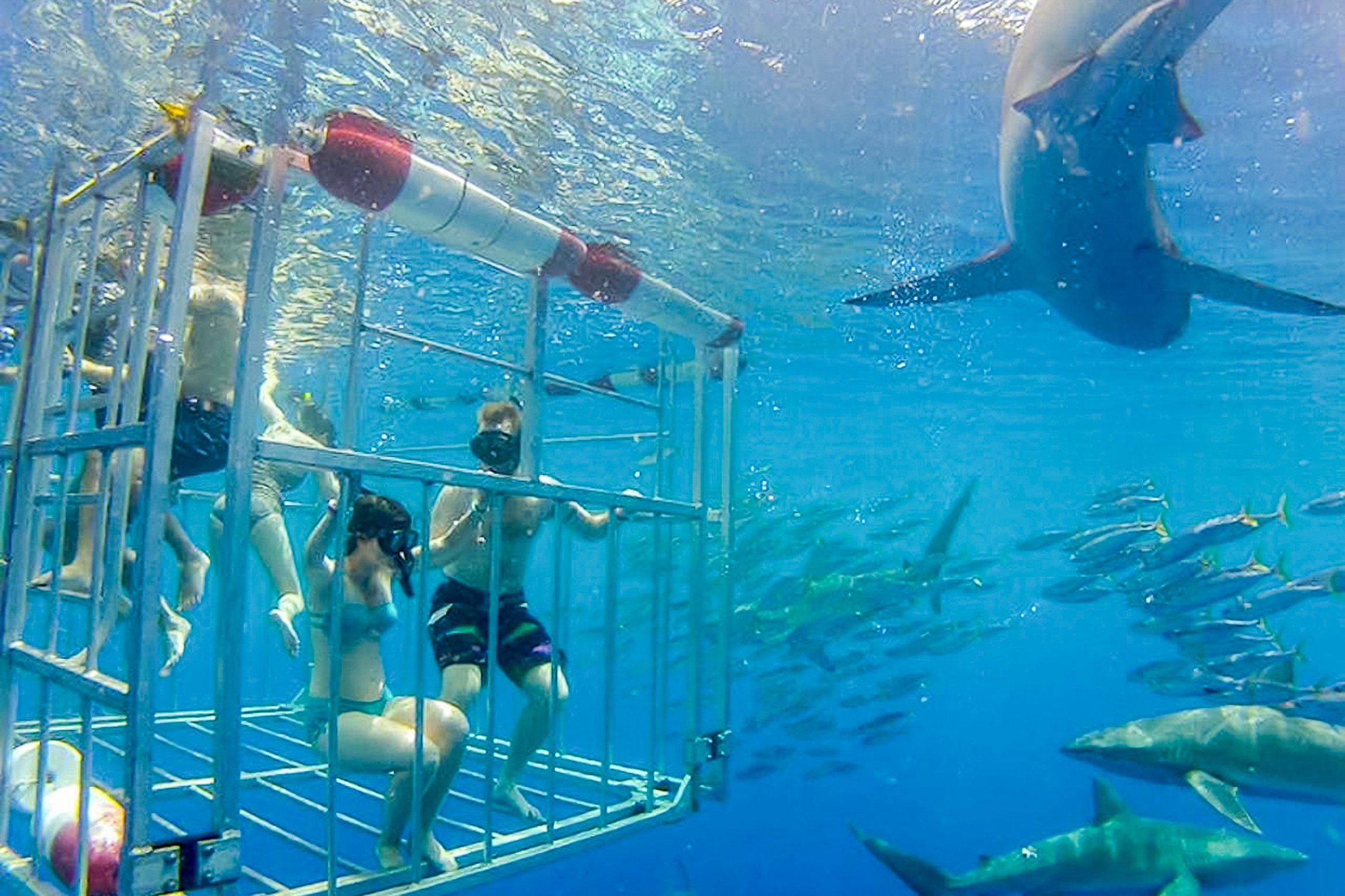
Get face-to-face with sharks in a protected cage off Oahu's stunning North Shore coastline.
Reserve
Calm lagoon training and open-ocean pelagic adventures, operators across Oahu year-round
Hand-picked by our editors — only the best 5 experiences from 47 reviewed.
Verified partners for every tour, free cancellation where available, and instant confirmation on every booking.
1 hr 30 min
Get face-to-face with sharks in a protected cage off Oahu's stunning North Shore coastline.
Reserve
2 hr
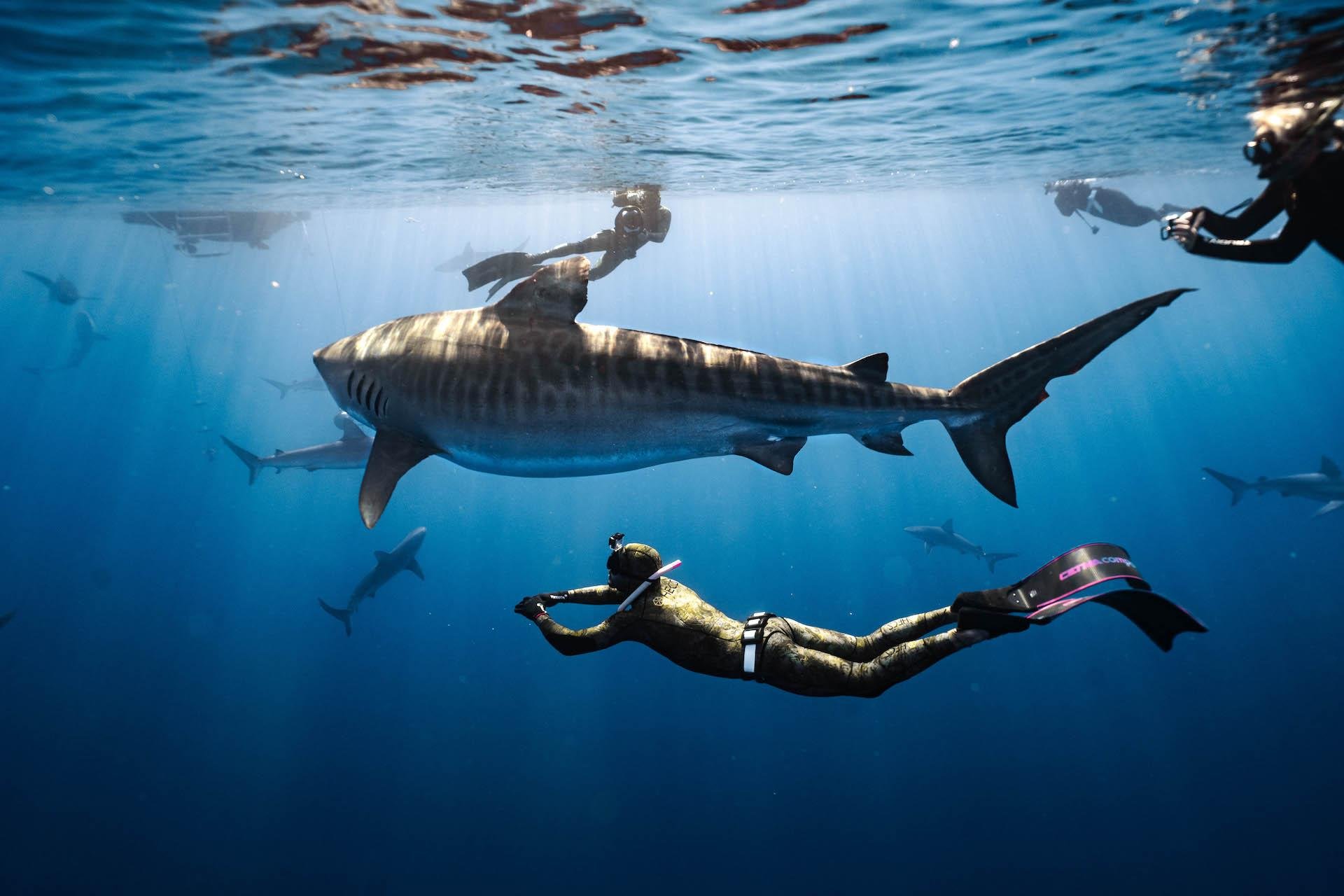
Swim freely with Galapagos, Sandbar, and Tiger sharks in open water off Oahu's North Shore
Reserve
1 hr 30 min
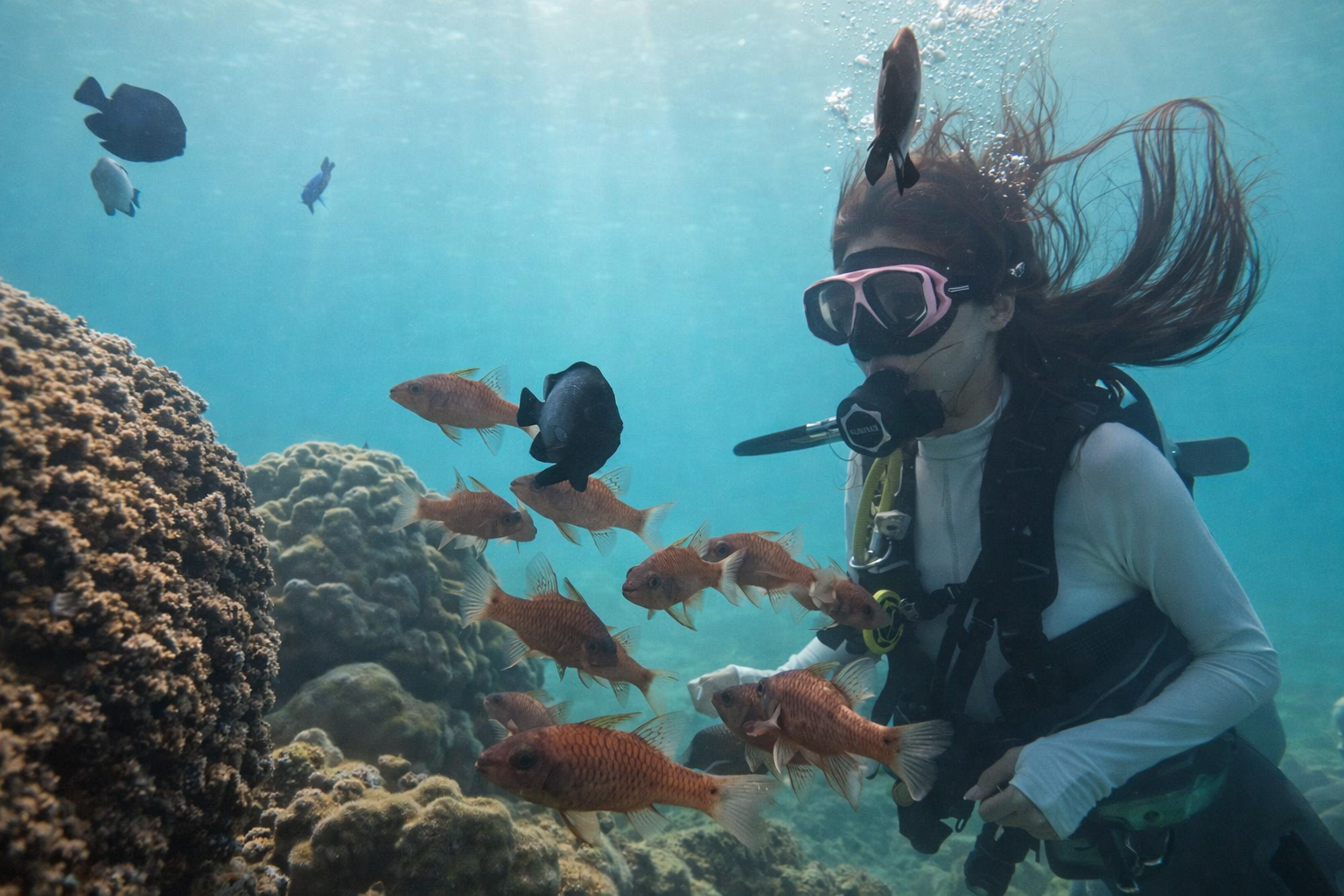
Discover underwater Hawaii in a sheltered lagoon perfect for first-time divers aged 10 and up
ReservePrices from verified partners. Availability updates in real time at checkout. Free cancellation policies apply where shown.
The landmarks, rooms, and views travelers on this tour remember — all visible on a single visit.
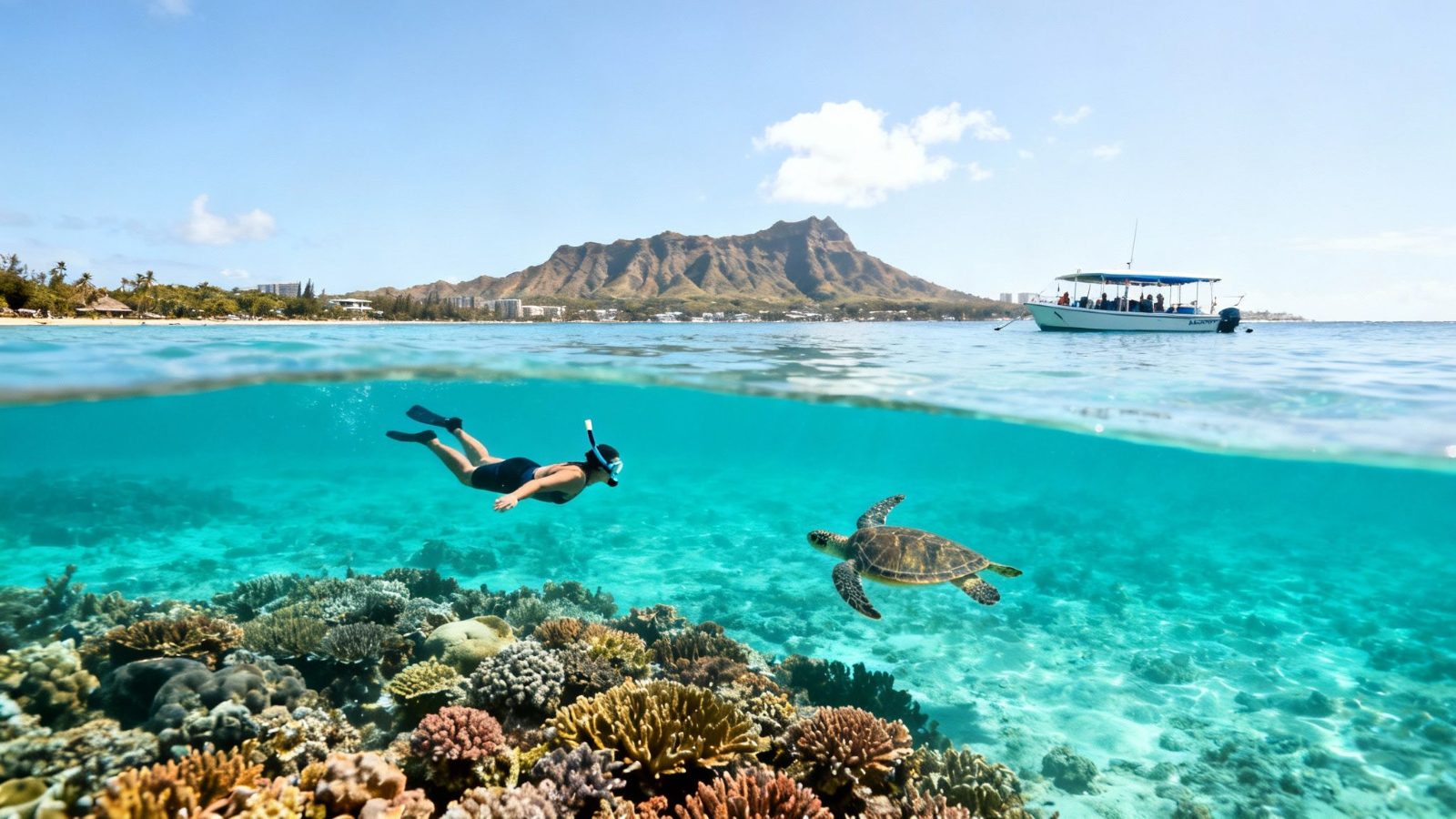
Observe green sea turtles resting while smaller fish clean their shells.
Explore remnants of vessels resting on the ocean floor.
View vibrant coral formations and schools of tropical fish.
Swim through underwater volcanic formations and caves.
Experience open-water diving where large marine life may appear.
They complement each other, but most visitors who do both find that scuba diving tours hawaii offer a more immersive connection with marine life, whereas snorkeling provides a casual, low-barrier way to enjoy the reef. Choosing between these underwater adventures depends on your comfort with gear and your desire for deep-sea exploration.
| Feature | Top pick Scuba Diving | Snorkeling Tours |
|---|---|---|
Experience Level |
Certification or discovery training required | Beginner friendly; no training needed |
Equipment Required |
Full tank, regulator, and BCD | Mask, snorkel, and fins |
Depth and Visibility |
30–60 feet for deep reef views | Surface level for shallow reef observation |
Physical Exertion |
Moderate; buoyancy control required | Low; floating on surface |
Tour Duration |
2–4 hours | 2–3 hours |
Cost |
150–250 USD | 80–150 USD |
| See tickets → |
Verdict: Opt for these scuba diving tours hawaii tours if you seek extended time with sea turtles and coral formations, or select snorkeling if you prefer surface-level access using simple scuba diving tours hawaii tickets.
Choose your ticket, select your date, and reserve in under two minutes. Secure checkout handled by our verified partner.
Instant confirmation by email, with a mobile voucher you can save offline. No printing, no queuing at a collection desk.
Arrive at the entrance, show your voucher on your phone, and walk in. Most tickets include priority or skip-the-line access.
Best time to go, insider tips, nearby landmarks, and the cancellation fine print — flip through to skim what matters to you.
How crowds, weather, and events shift across the year.
March to May offers pleasant water temperatures and calm seas.
June to August provides excellent visibility for scuba diving tours hawaii trips.
September to November features warm water and fewer crowds.
December to February brings larger swells; check conditions daily.
Small details that turn a good visit into a great one.
Practice equalizing early and often during descent to avoid ear discomfort.
Drink plenty of water before and after your scuba diving tours hawaii experience.
Verify your equipment fit during the morning check-in process.
Follow all briefings regarding boat safety and entry techniques.
Apply reef-safe sunscreen at least 20 minutes before water entry.
Non-bookable sights within a short walk — free to visit, easy to pair.
Expansive green space with calm beach access.
Flexible, no hidden fees.
Full refunds are typically available for cancellations made at least 24 to 48 hours before departure. Please note there is 0 USD entrance fee for Hawaii public beaches or ocean access.
Hand-picked options within walking distance — pick a district for vibe, or a specific hotel for convenience.
Concentration of high-end resorts and amenities
Convenient location near the boat harbor
Affordable options for solo travelers
Hawaii's volcanic topography creates underwater drop-offs and lava tube formations that support over 400 endemic marine species found nowhere else on Earth. Oahu's southern reefs shelter green sea turtles and spotted eagle rays in depths accessible to first-time divers, while the North Shore's winter swells give way to summer calm that opens pelagic channels where Galápagos sharks patrol beyond the reef edge. The state's dive industry emerged in the 1960s alongside commercial jet travel, and today operates under strict Department of Land and Natural Resources protocols that limit group sizes and mandate mooring-only access to fragile coral ecosystems. Scuba diving tours Hawaii operations concentrate along Oahu's leeward coast, where the Waianae Range blocks trade winds and keeps visibility above 60 feet year-round. Magic Island Lagoon offers a contained sand-bottom environment at 12 to 20 feet, purpose-built for confined-water skills training before open-water certification dives. Waikiki's nearshore sites sit within a marine protected area established in 1987, with permanent moorings that prevent anchor damage to the reef structure. North Shore operators run seasonal shark encounters three miles offshore, where the ocean floor drops to 600 feet and creates an upwelling that draws sandbar and tiger sharks into predictable feeding zones. The archipelago's latitude—between 19 and 22 degrees north—keeps water temperatures stable at 75 to 80 degrees Fahrenheit, eliminating the need for cold-water drysuits and making multi-dive days physiologically easier than temperate-zone diving. Local operators provide 3-millimeter wetsuits as thermal protection and marine-life buffers. Coral spawning events occur May through September, reducing visibility temporarily but increasing nutrient flow that attracts manta rays and whale sharks to cleaning stations off the western coast. The state prohibits touching or feeding marine life, and dive briefings emphasize neutral buoyancy to prevent fin damage to coral polyps that grow less than one centimeter per year.
"Hawaii's volcanic topography creates underwater drop-offs and lava tube formations that support over 400 endemic marine species found nowhere else on Earth."
Yes, many scuba diving tours hawaii offer discovery programs for those without certification.
Keep your confirmation details handy for your scuba diving tours hawaii visit; digital tickets are preferred.
Refer to your specific booking confirmation for refund terms regarding scuba diving tours hawaii tours.
Most scuba diving tours hawaii welcome non-diving family members to ride along for a fee.
Bring a certification card, towel, and reef-safe sunscreen for your scuba diving tours hawaii tour.