Scuba Diving In Hawaii
Regional Guide

Where Is the Best Scuba Diving in Hawaii

Hawaii's eight main islands offer vastly different underwater terrain, from volcanic walls and submerged craters to coral gardens and offshore pinnacles. Each island presents distinct visibility windows, marine ecosystems and access logistics that shape where divers spend their bottom time.

7 min read Updated 2026-11-05 Fact-checked
Where Is the Best Scuba Diving in Hawaii

Quick answer

Molokini Crater off Maui consistently ranks as Hawaii's premier dive site, with 100–150 foot visibility, a crescent-shaped volcanic caldera sheltering over 250 fish species, and calm morning conditions from June through September. The Big Island's Kona Coast follows closely for manta ray encounters and lava-tube formations, while Kauai's Niihau offers advanced drift diving with pelagic encounters during summer months when weather permits boat access.

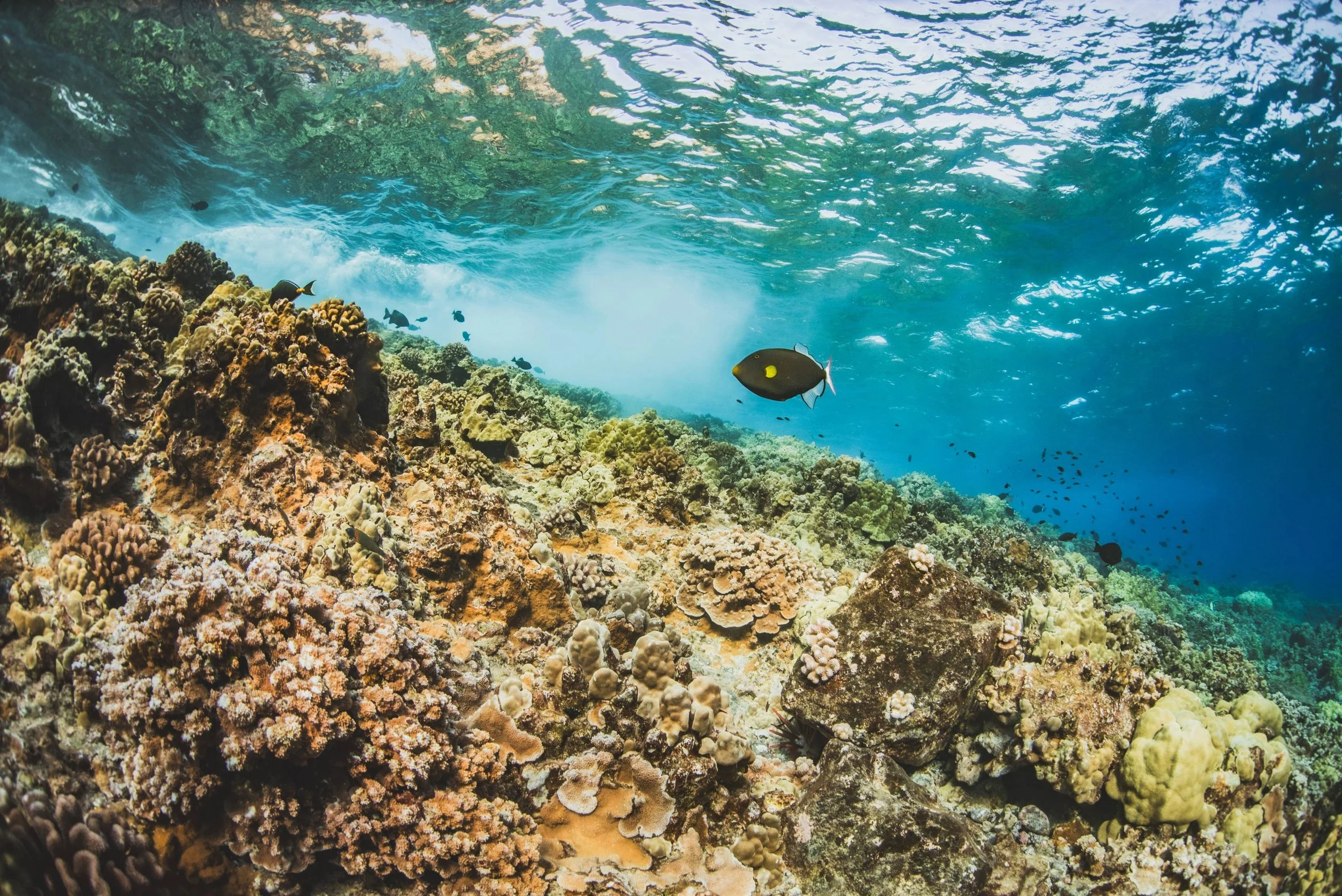
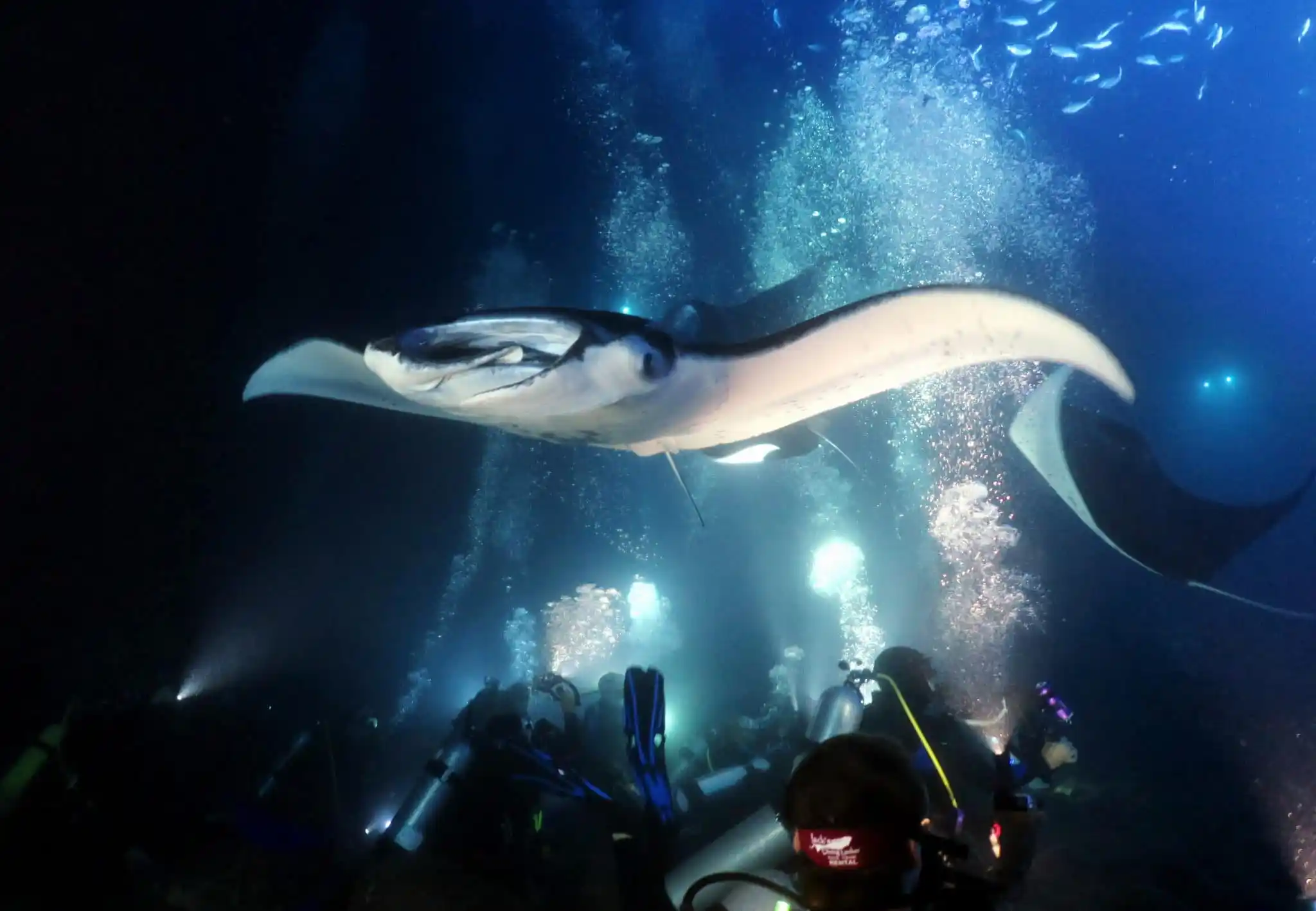
Molokini Crater sits three miles offshore from Maui's south coast, a partially submerged volcanic cone that broke the surface roughly 230,000 years ago during the island's post-shield eruption phase. The crescent shelters its inner wall from prevailing trade winds, creating a natural amphitheater where visibility regularly exceeds 100 feet and coral coverage remains dense along the 30–130 foot depth gradient. The Big Island's Kona Coast presents a different profile—black lava substrate, minimal reef structure, and water clarity that depends on kona storm patterns rather than reef protection. What Kona lacks in hard coral it compensates for with vertebrate density: manta rays aggregate at cleaning stations year-round, and pelagic species use the deep offshore drop as a highway. Night dives here center on plankton-feeding mantas, predictable between November and March when zooplankton blooms peak. Kauai and Oahu occupy opposite ends of the accessibility spectrum. Kauai's north shore and the forbidden island of Niihau offer Hawaii's most challenging conditions—strong currents, exposed moorings, and seasonal closures—but reward advanced divers with hammerhead sightings and untouched walls during the May–September weather window. Oahu's south and west shores provide the state's easiest shore access, with Hanauma Bay serving as a protected training ground and the YO-257 wreck off Waianae offering structure in 100 feet of water. Where is the best scuba diving in Hawaii ultimately depends on certification level and target species. Maui's protected sites suit all experience ranges and deliver reliable conditions, the Big Island specializes in macro life and manta interactions, Kauai challenges current-savvy divers with open-ocean exposure, and Oahu offers logistical convenience for multi-dive days without boat transit. Water temperature holds steady at 75–80°F across the chain, and most operators require 50–100 logged dives for offshore excursions beyond the beginner zones.

“Molokini's crescent shape creates a natural amphitheater where visibility regularly exceeds 100 feet and coral coverage remains dense along the 30–130 foot depth gradient.”
Head to head

Where Is The Best Scuba Diving In Hawaii: Island Comparisons

Selecting the best Hawaiian island for scuba diving depends on whether a diver prefers wreck exploration, volcanic geology, or large marine animal encounters. Each island offers distinct underwater topography that caters to different experience levels and interests.

Oahu Wrecks & History Maui Volcanic Craters Recommended Big Island Pelagic Encounters
Primary Appeal Historical Wrecks Crater Formations Night Mantas
Typical Depth Range 12m–30m 9m–24m 10m–20m
Common Sightings Sea Turtles & Sharks Reef Fish & Whales Manta Rays
Accessibility Level High (Shore & Boat) Moderate (Boat Only) Moderate (Shore & Boat)
Best For Wreck Enthusiasts Beginner to Advanced Night Divers

Verdict: Choose Oahu for historical shipwrecks, Maui for protected volcanic crater diving, or the Big Island for unique night dives with manta rays.

What to see

Notable Sites For Where Is The Best Scuba Diving In Hawaii

Hawaii offers diverse underwater topography ranging from volcanic craters to deep-sea cleaning stations. These sites represent the variety of ecosystems found across the island chain.

Molokini Crater

Molokini Crater

This crescent-shaped volcanic caldera off the coast of Maui features a protected marine life conservation district with high water clarity. The back wall offers steep drop-offs for experienced divers.

Focus on the interior reef for high visibility coral viewing.
Kona Manta Ray Night Dive

Kona Manta Ray Night Dive

Located off the Big Island, this dive utilizes artificial light to attract plankton, which in turn draws large manta rays to the area. Divers remain on the sandy bottom while rays swim close overhead.

Maintain a neutral position on the seafloor to attract rays.

Cathedrals

Cathedrals

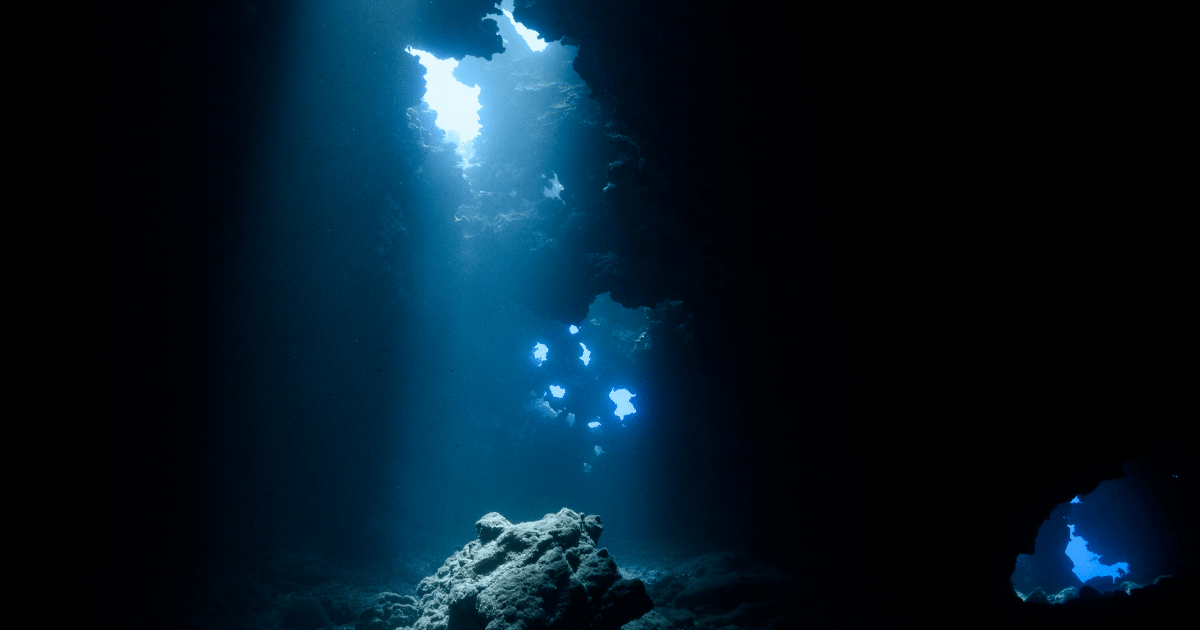
Situated off Lanai, these twin dive sites consist of lava tubes and caverns that create light effects similar to stained glass windows. These formations provide shelter for endemic Hawaiian marine life.

Look upward through the ceiling gaps for light beams.

Shark's Cove

Shark's Cove

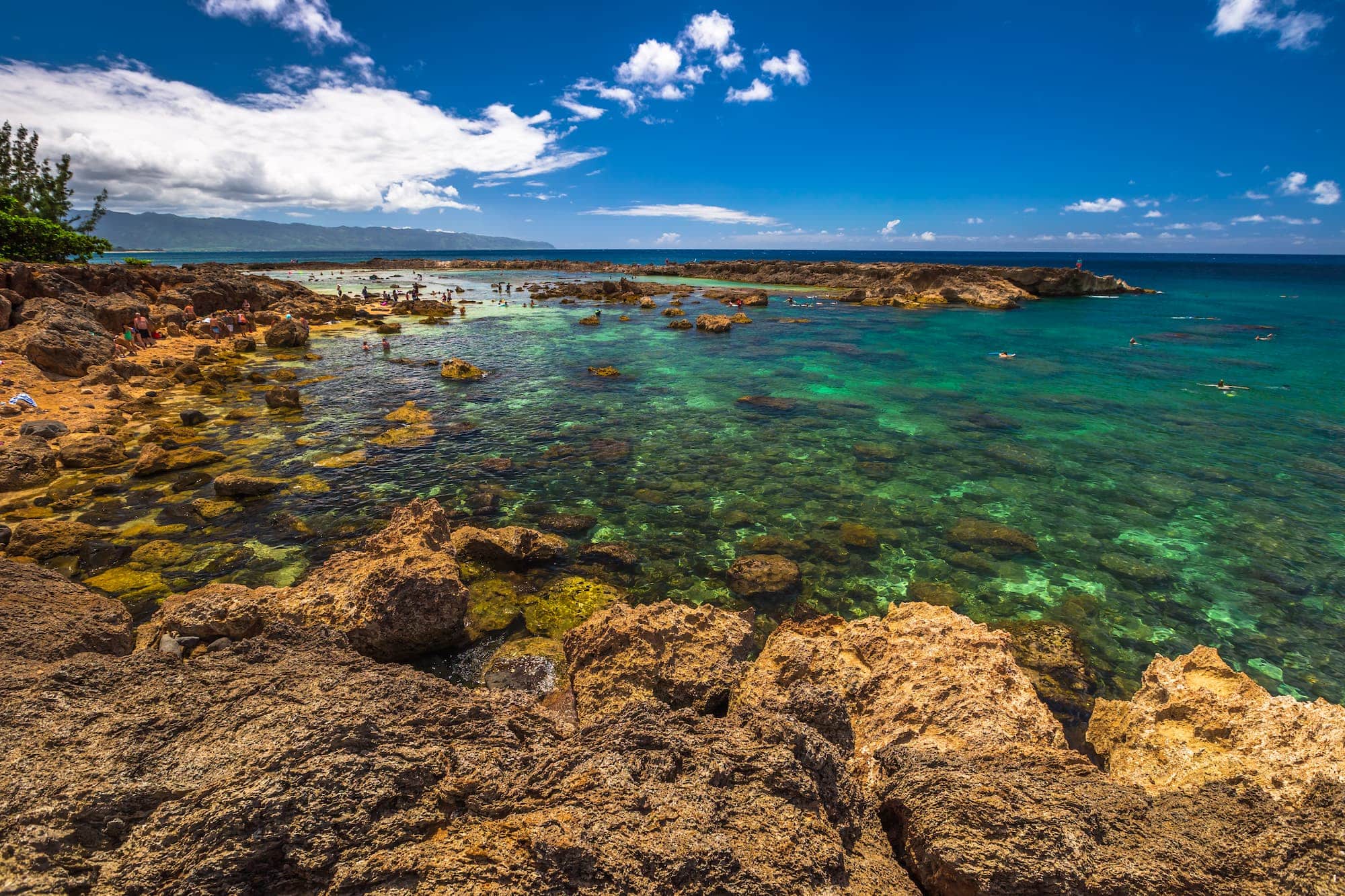
Located on the North Shore of Oahu, this rocky inlet provides shallow diving with numerous lava rock arches and swim-throughs. It is frequented by sea turtles and schools of reef fish during calmer summer months.

Explore the outer perimeter for deeper reef structures.

Mana Crack

Mana Crack

Found off the west coast of Kauai, this site features a massive vertical drop-off and deep coral trenches. The currents here support large pelagic species and expansive coral colonies.

Check the edge of the drop-off for passing sharks.

Timing

Timing Considerations For Where Is The Best Scuba Diving In Hawaii

The period from April to October offers the most consistent conditions for scuba diving in Hawaii, characterized by calmer seas and improved visibility. Planning dives for early morning hours minimizes the impact of increasing trade winds.

April to June

Moderate crowds

Water temps 76-78°F, low swell

Ideal conditions as winter swells dissipate. High visibility across most islands.

July to September

Peak tourist density

Water temps 79-82°F, calm seas

Warmest water temperatures of the year. Frequent calm water days permit access to exposed sites.

October to November

Lower visitor numbers

Water temps 77-80°F, transitional

Favorable conditions before winter swells arrive. Often provides clear water and manageable dive site access.

Weekday mornings

Low crowd density

—

Early arrival ensures optimal water conditions. Trade winds frequently increase during afternoon hours, reducing surface visibility.

Verdict: The best time for diving is weekday mornings during April or October to balance favorable water conditions with reduced visitor traffic.

Book

Check availability

Frequently asked

Frequently asked questions about where is the best scuba diving in hawaii

Everything you need to know about where is the best scuba diving in hawaii

Where is the best scuba diving in hawaii for beginners?

Beginners often find success in the protected coastal waters of Kona and the shallow reefs surrounding Maui. These areas offer calm conditions and high visibility, which are essential for those learning where is the best scuba diving in hawaii.

What makes the Molokini Crater a top choice for where is the best scuba diving in hawaii?

Molokini Crater is highly regarded for its crystal-clear water and protected marine life sanctuary status. It serves as a prime example of where is the best scuba diving in hawaii, offering a unique volcanic caldera environment.

How do I know where is the best scuba diving in hawaii based on seasonal shifts?

The best underwater visibility typically occurs during the summer months, though winter offers unique opportunities for whale sightings. Many experts agree that choosing the right island depends on these seasonal shifts when deciding where is the best scuba diving in hawaii.

Is professional guidance required to explore where is the best scuba diving in hawaii?

Accessing most high-quality reef sites in Hawaii requires booking a commercial boat tour. These local operators provide the necessary safety oversight and equipment for exploring where is the best scuba diving in hawaii.

Keep reading

More guides & pages