1 hr 30 min
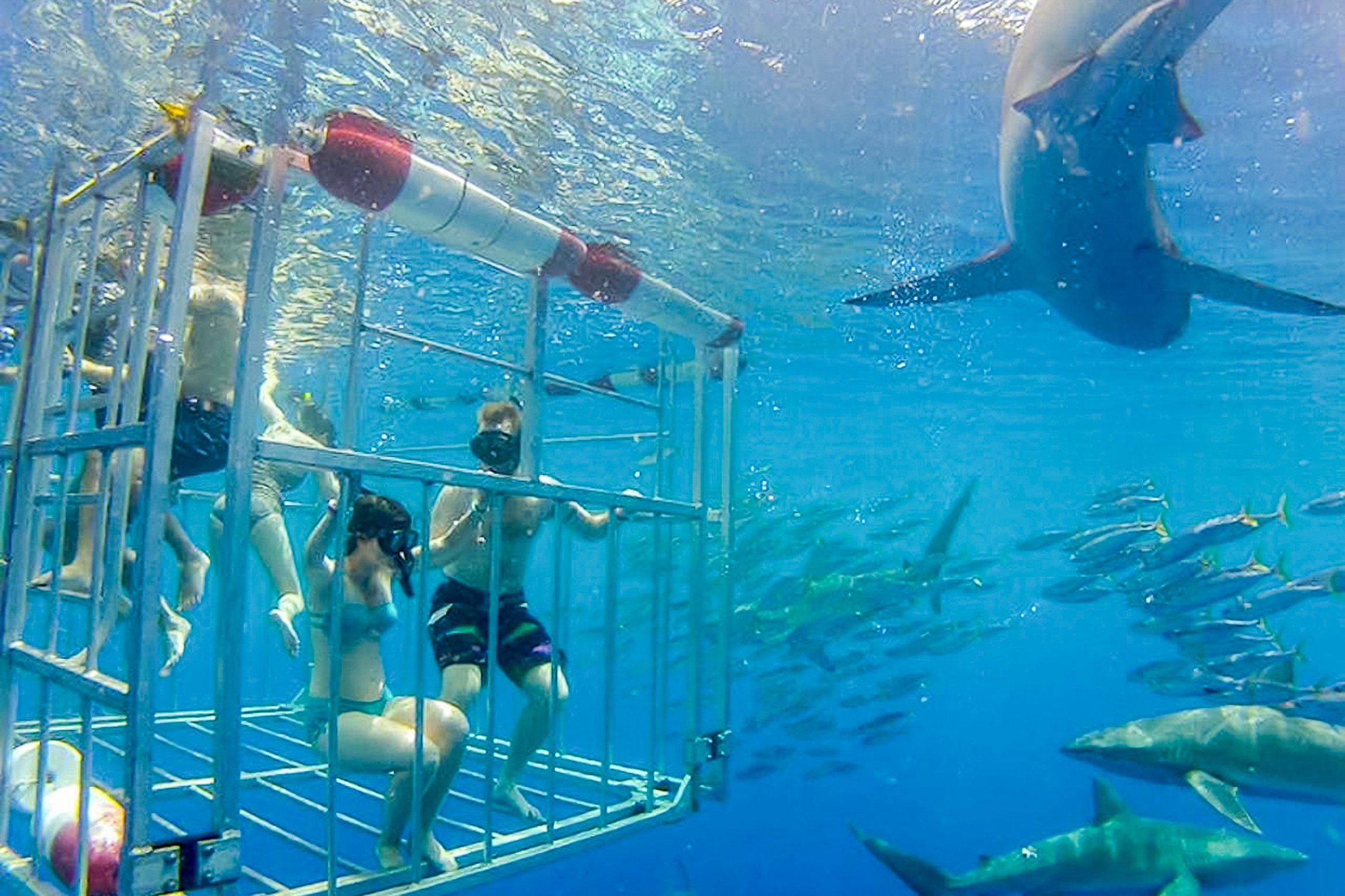
North Shore Shark Cage Diving Adventure
Get face-to-face with ocean predators in a secure cage off Oahu's stunning North Shore coastline.
Reserve
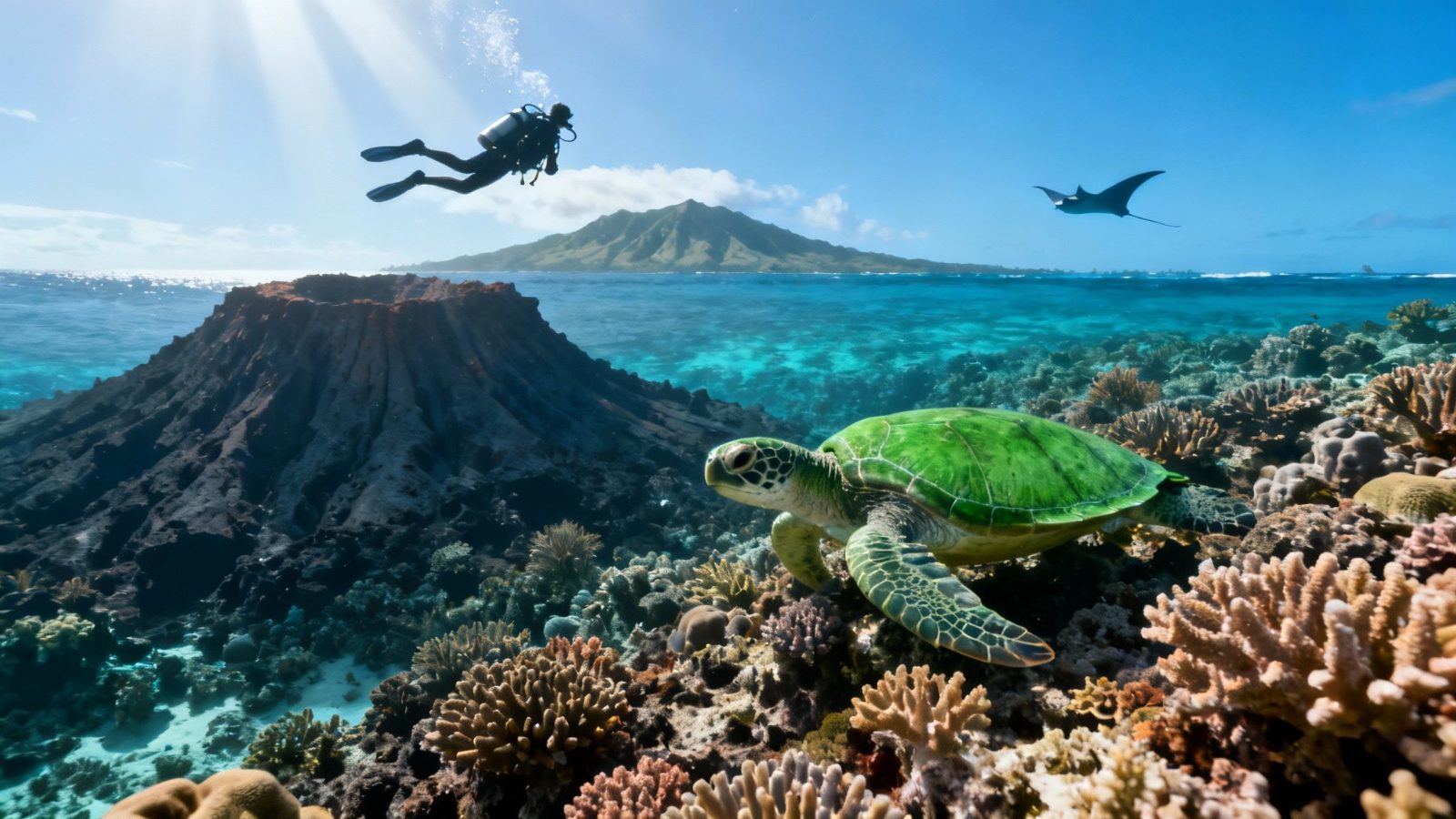
From Molokini Crater to Kona's night dive, water clarity that rivals the tropics
Hand-picked by our editors — only the best 12 dive operators from 47 reviewed.
Verified partners for Scuba Diving in Hawaii tours, free cancellation where available, and instant confirmation on every booking.
1 hr 30 min
Get face-to-face with ocean predators in a secure cage off Oahu's stunning North Shore coastline.
Reserve
2 hr 30 min
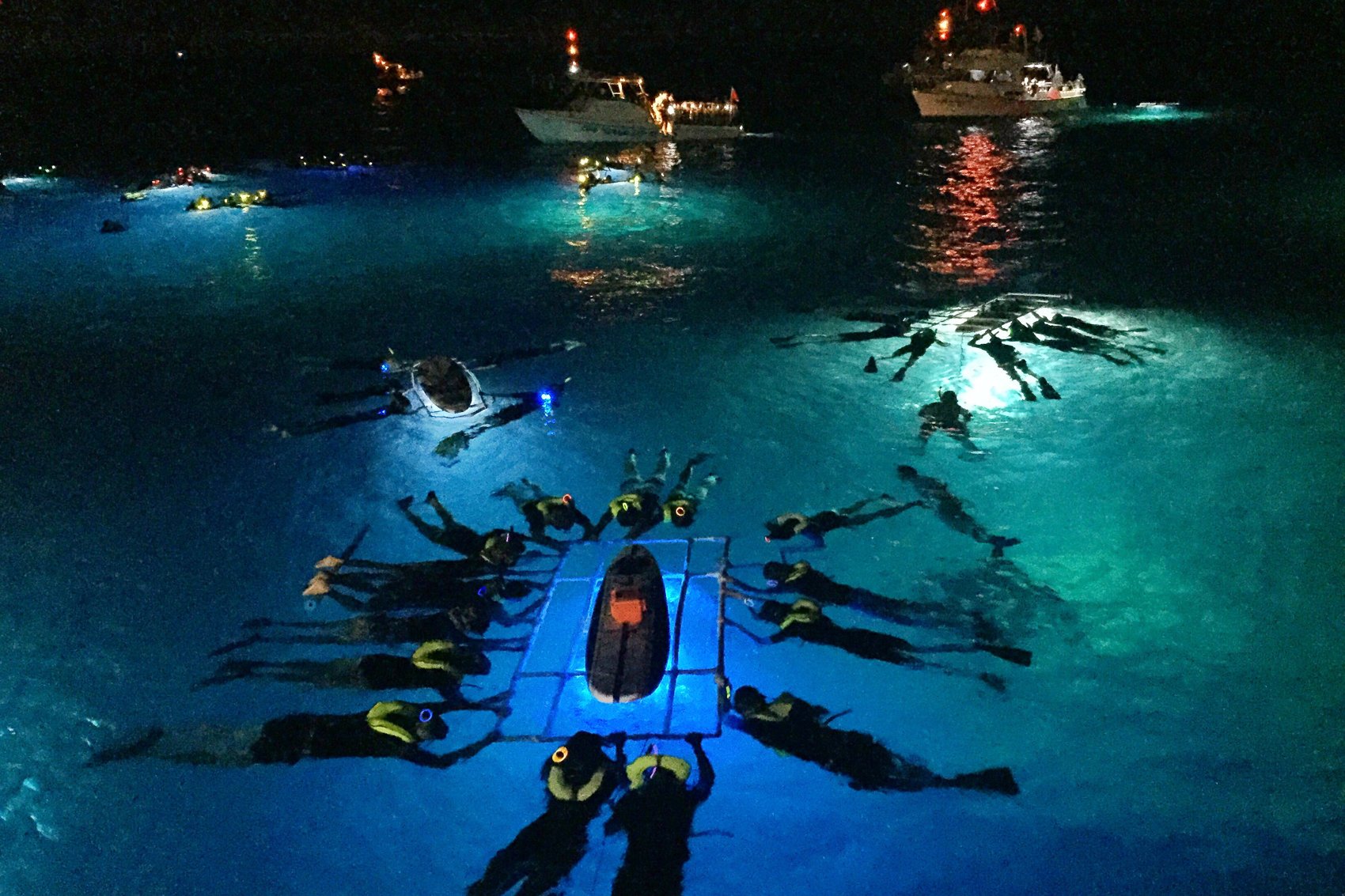
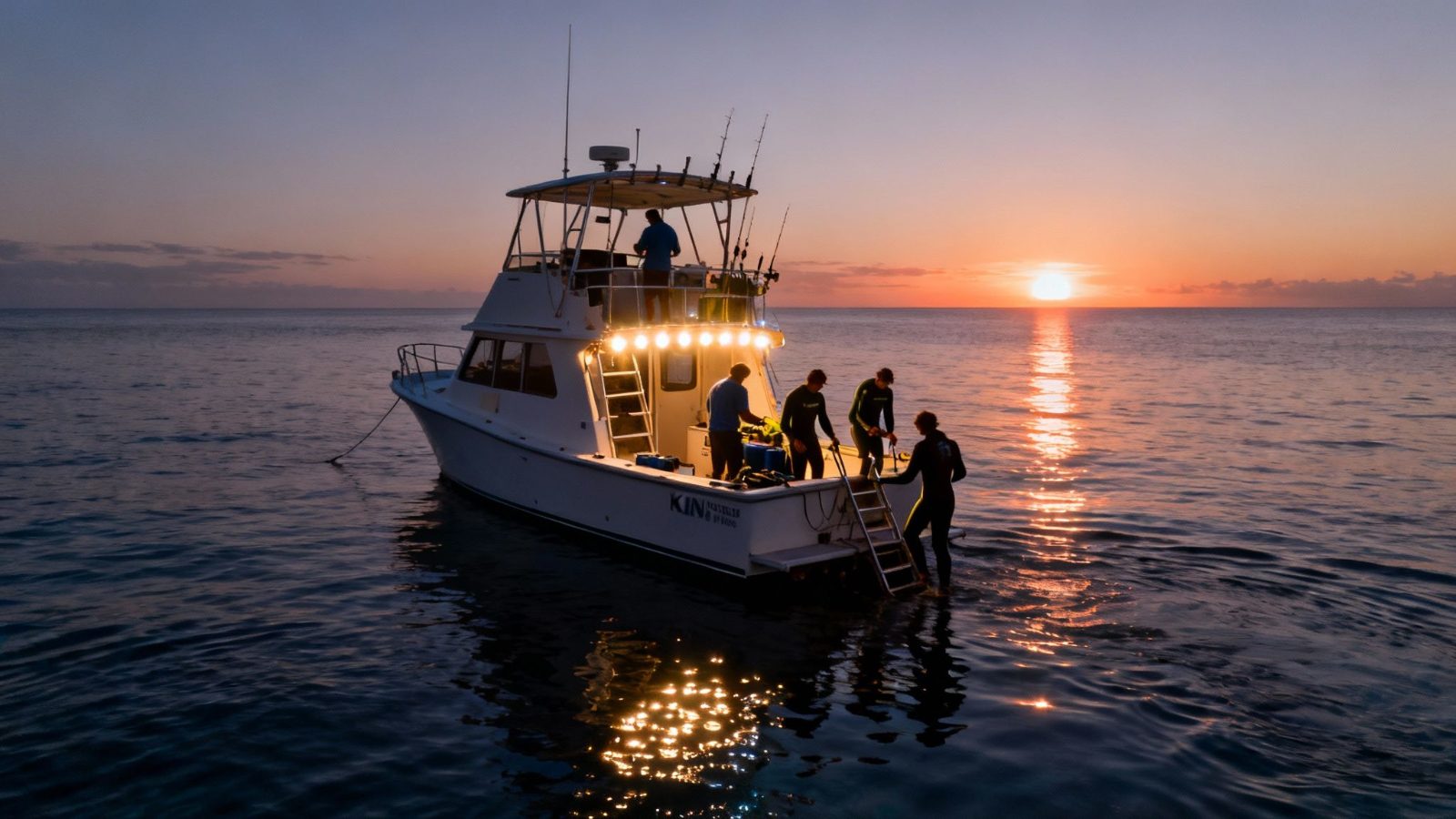
Float above feeding manta rays under moonlit Hawaiian waters on this magical evening boat excursion.
Reserve
2 hr
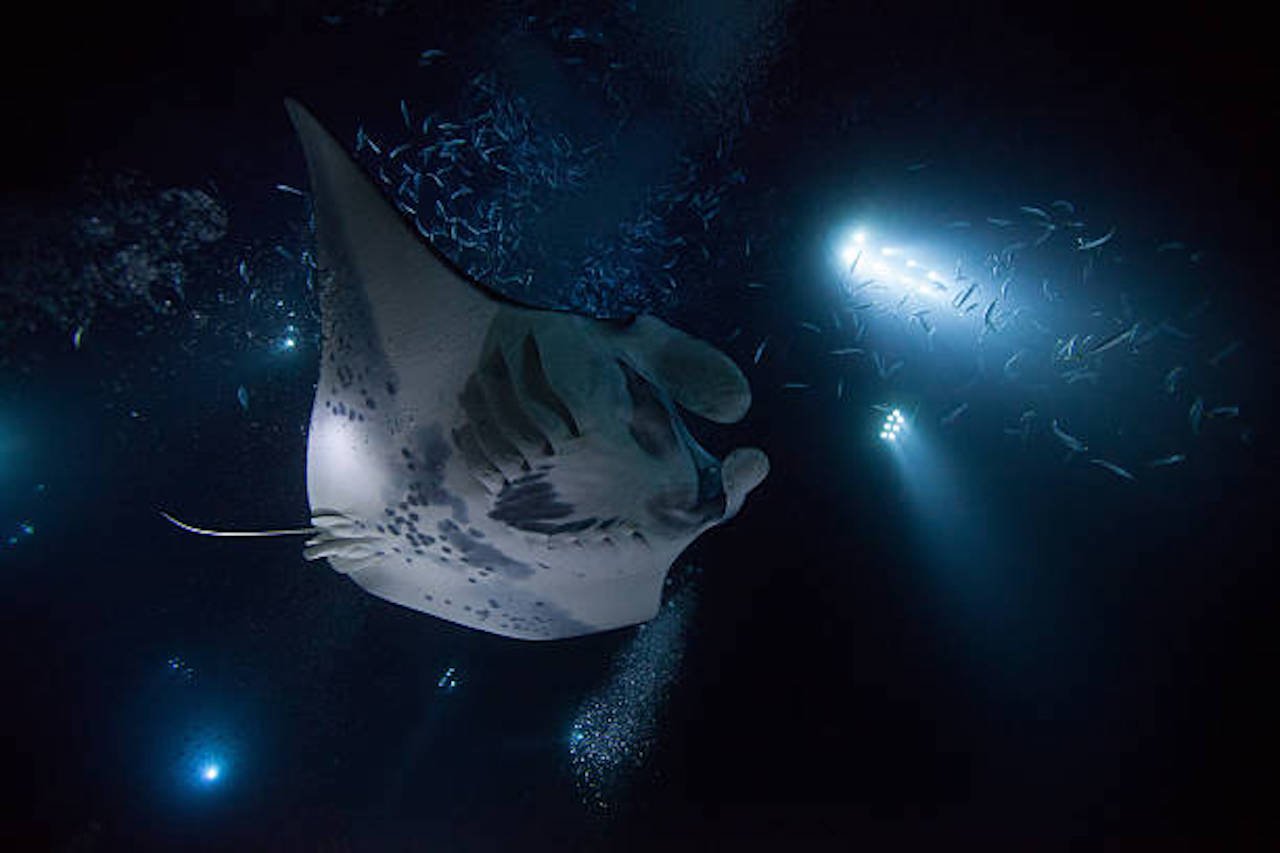
Glide above spiraling manta rays on a catamaran cruise through Kona's moonlit waters
ReservePrices from verified partners. Availability updates in real time at checkout. Free cancellation policies apply where shown.
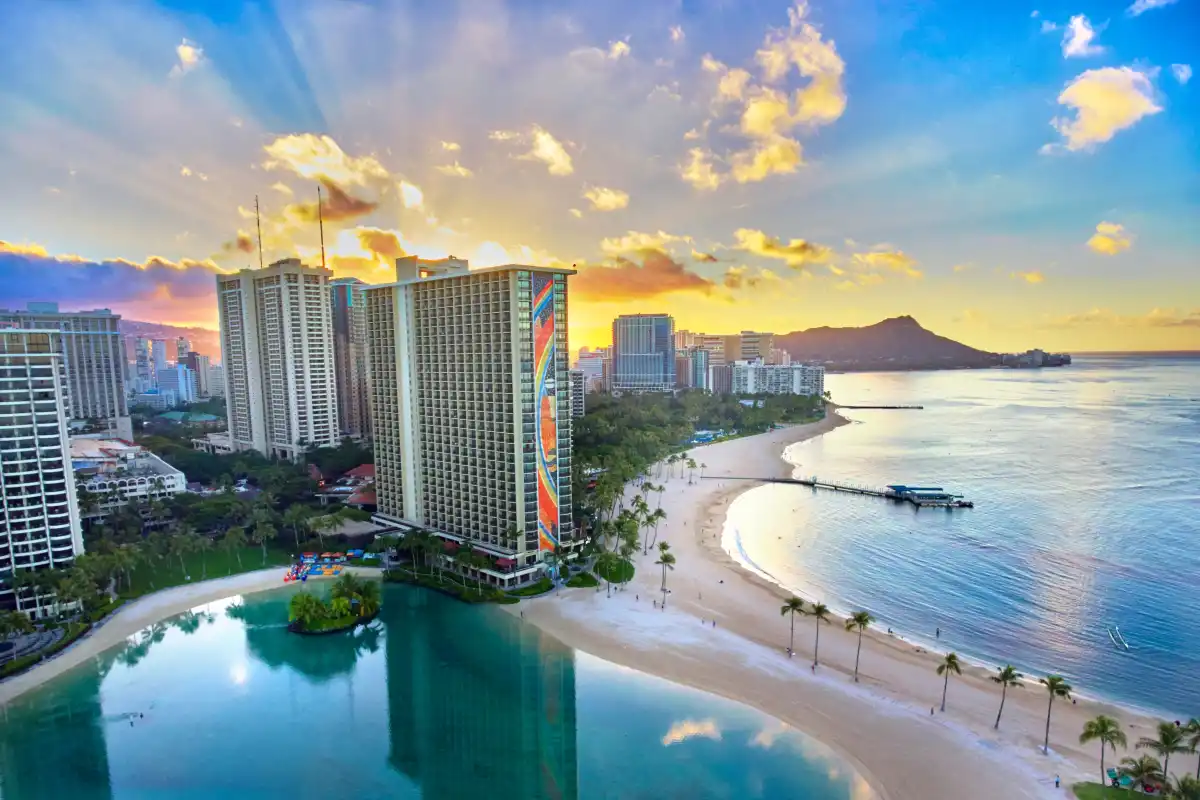
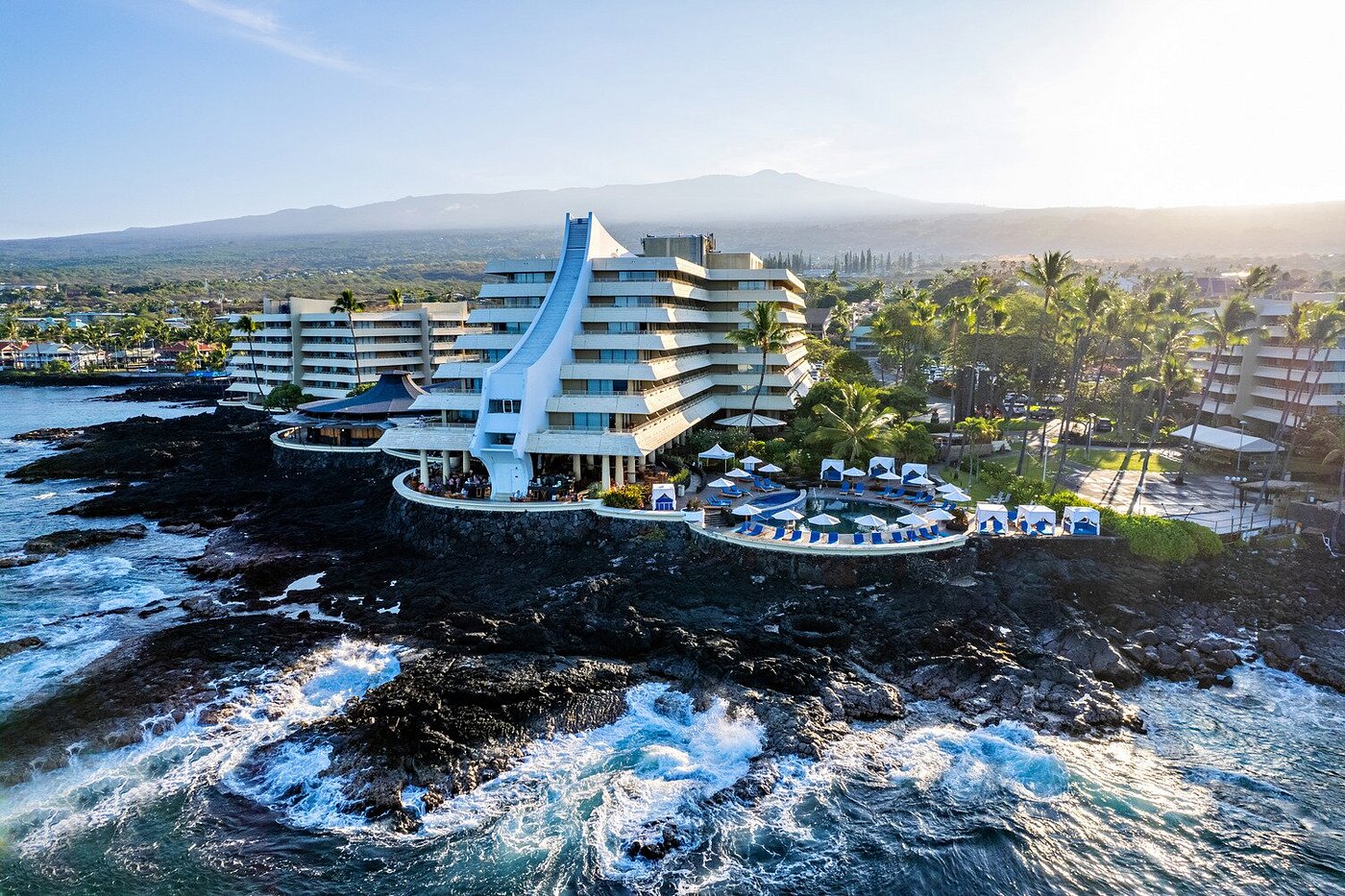
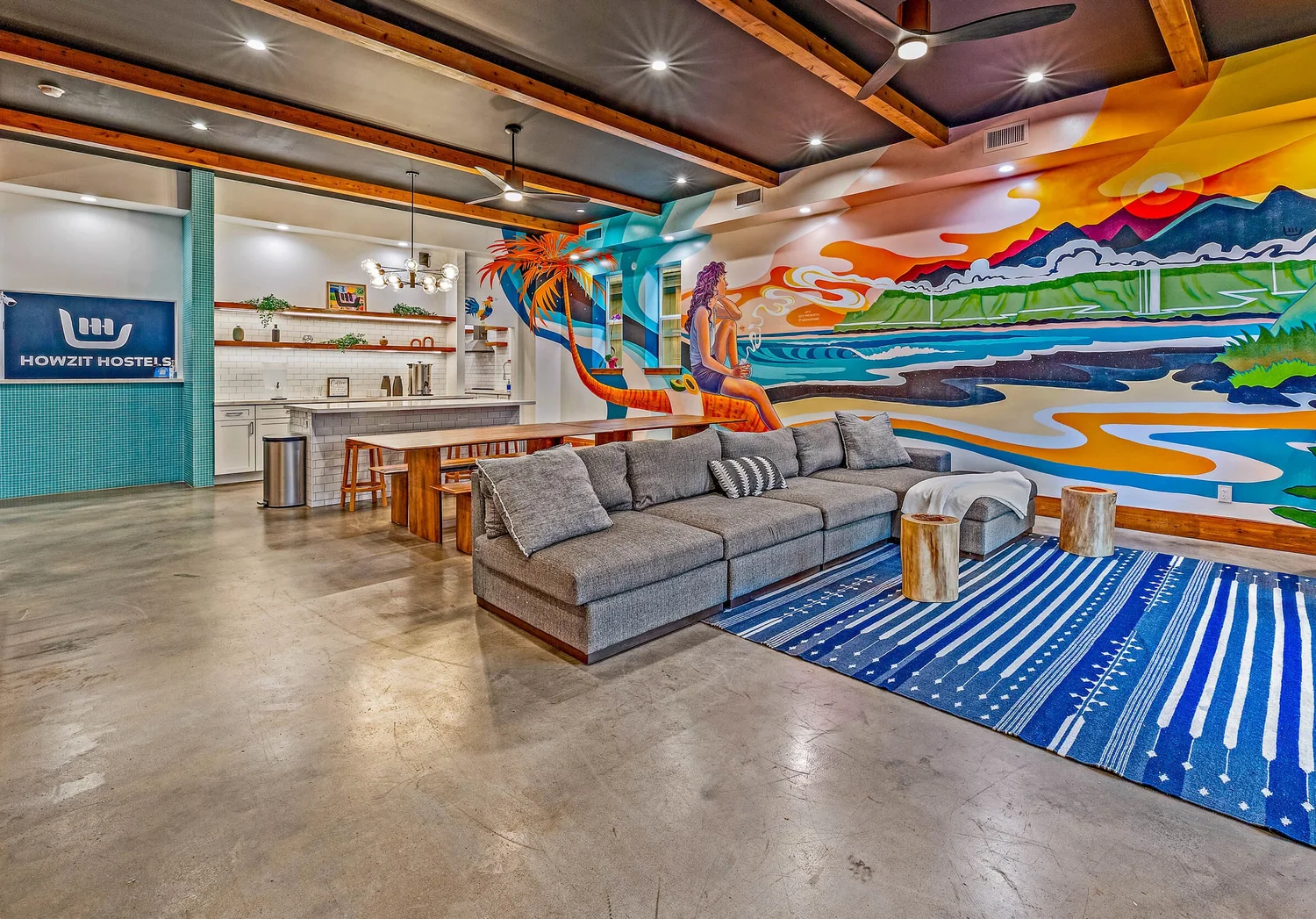
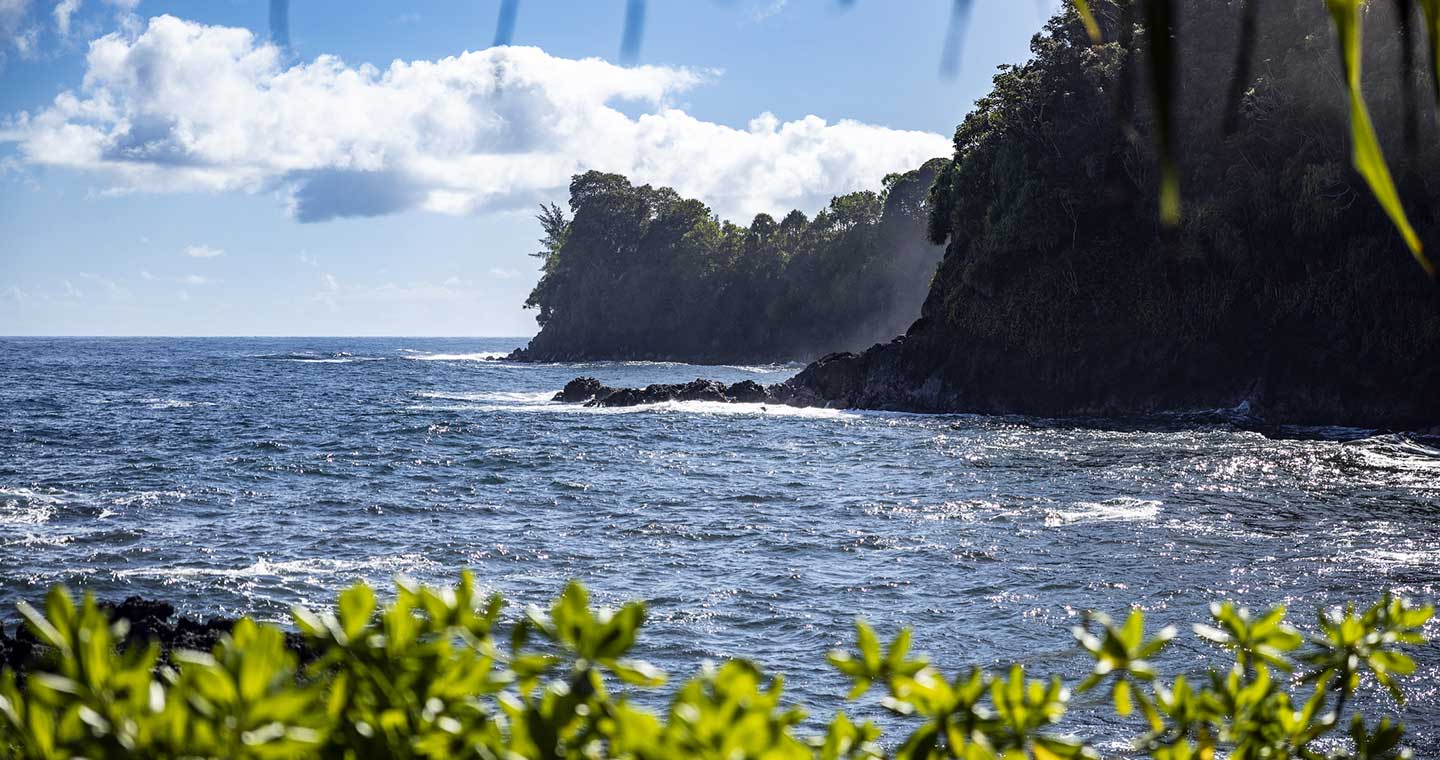
The landmarks, rooms, and views travelers on Scuba Diving in Hawaii tours remember — all visible on a single visit.
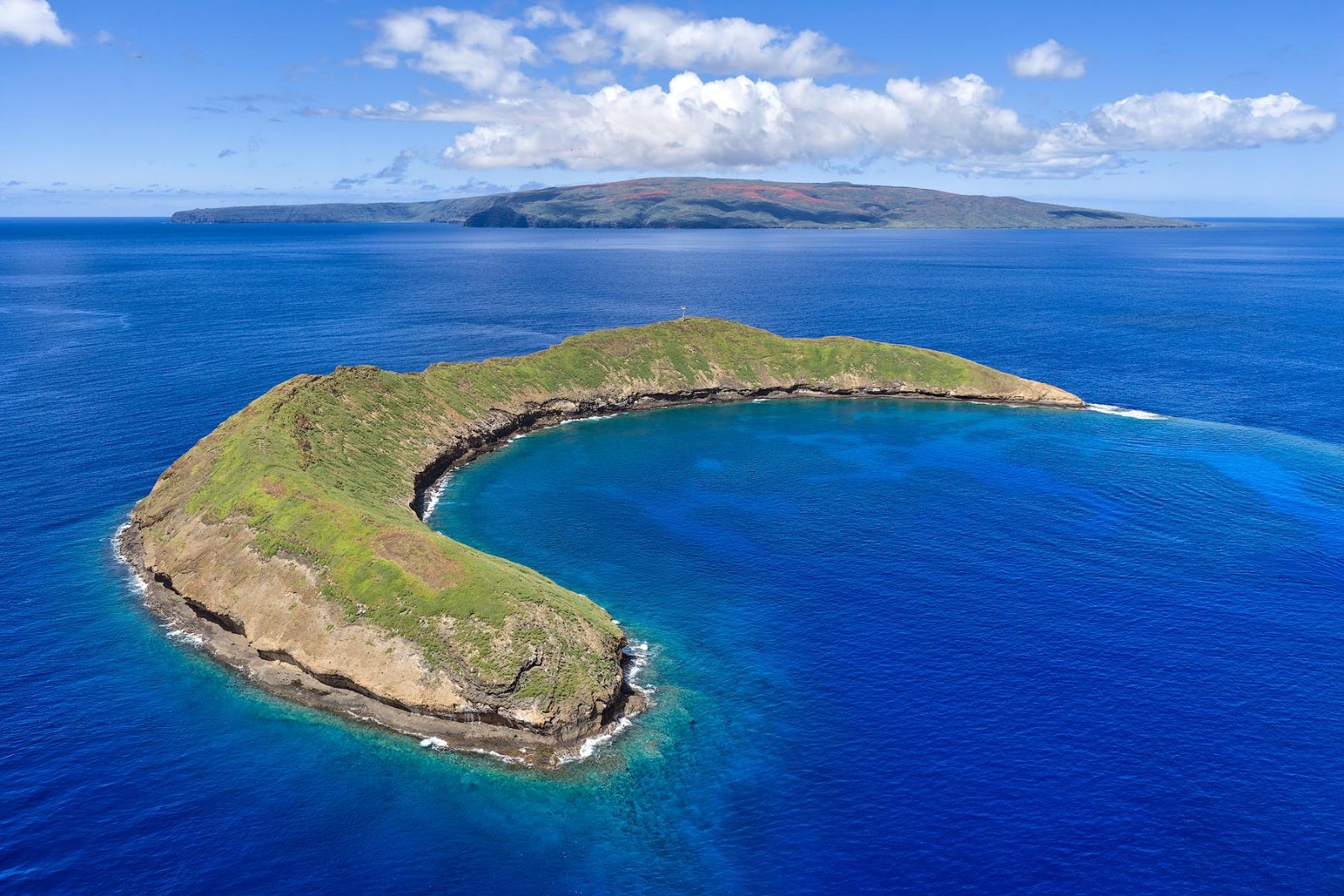
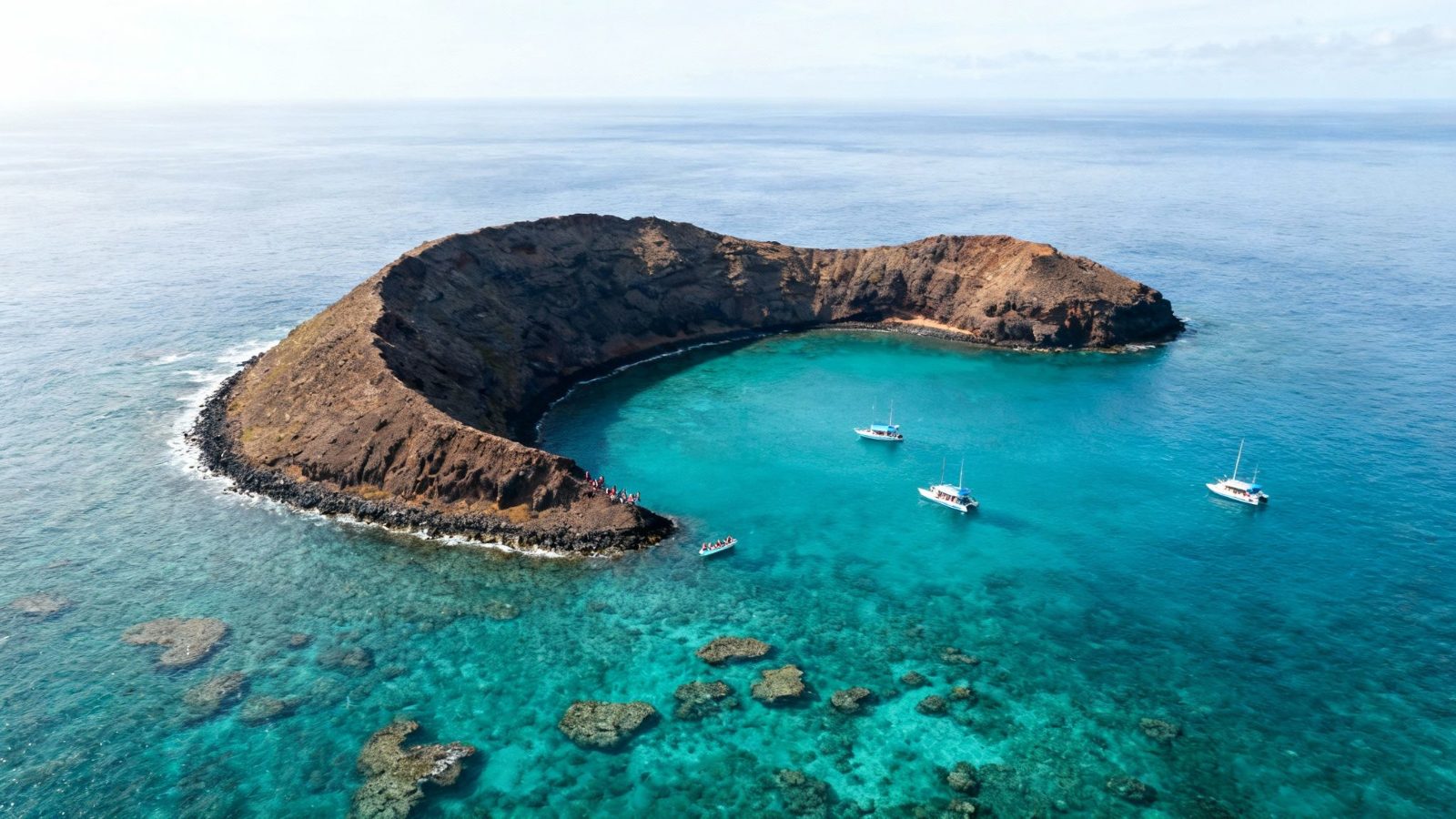
This crescent-shaped volcanic caldera offers pristine water clarity and vibrant coral reefs
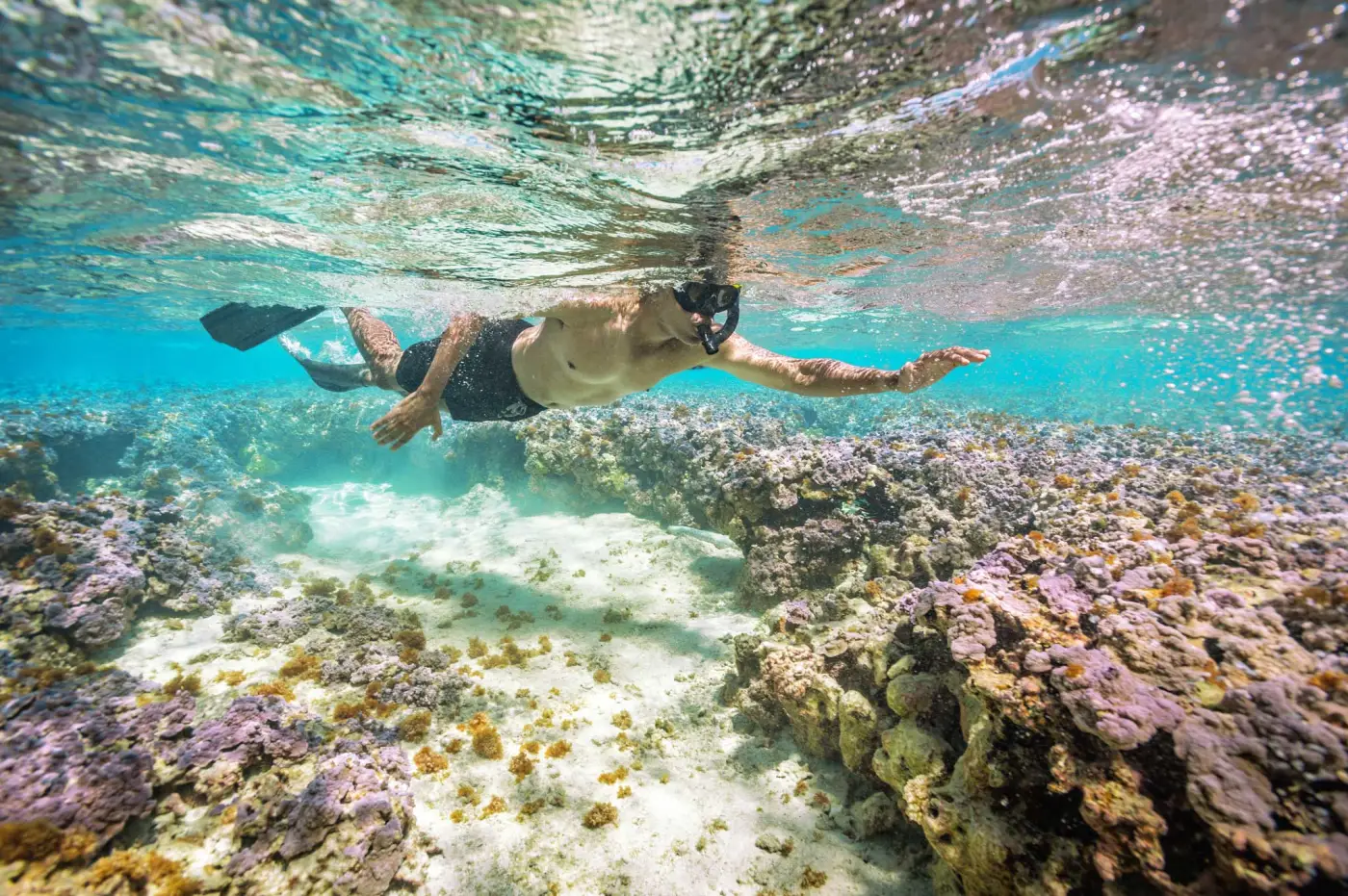
This rocky inlet is known for its shallow tunnels and abundant marine life suitable for exploration
Located off Lanai, this site features large lava tubes that create underwater light displays
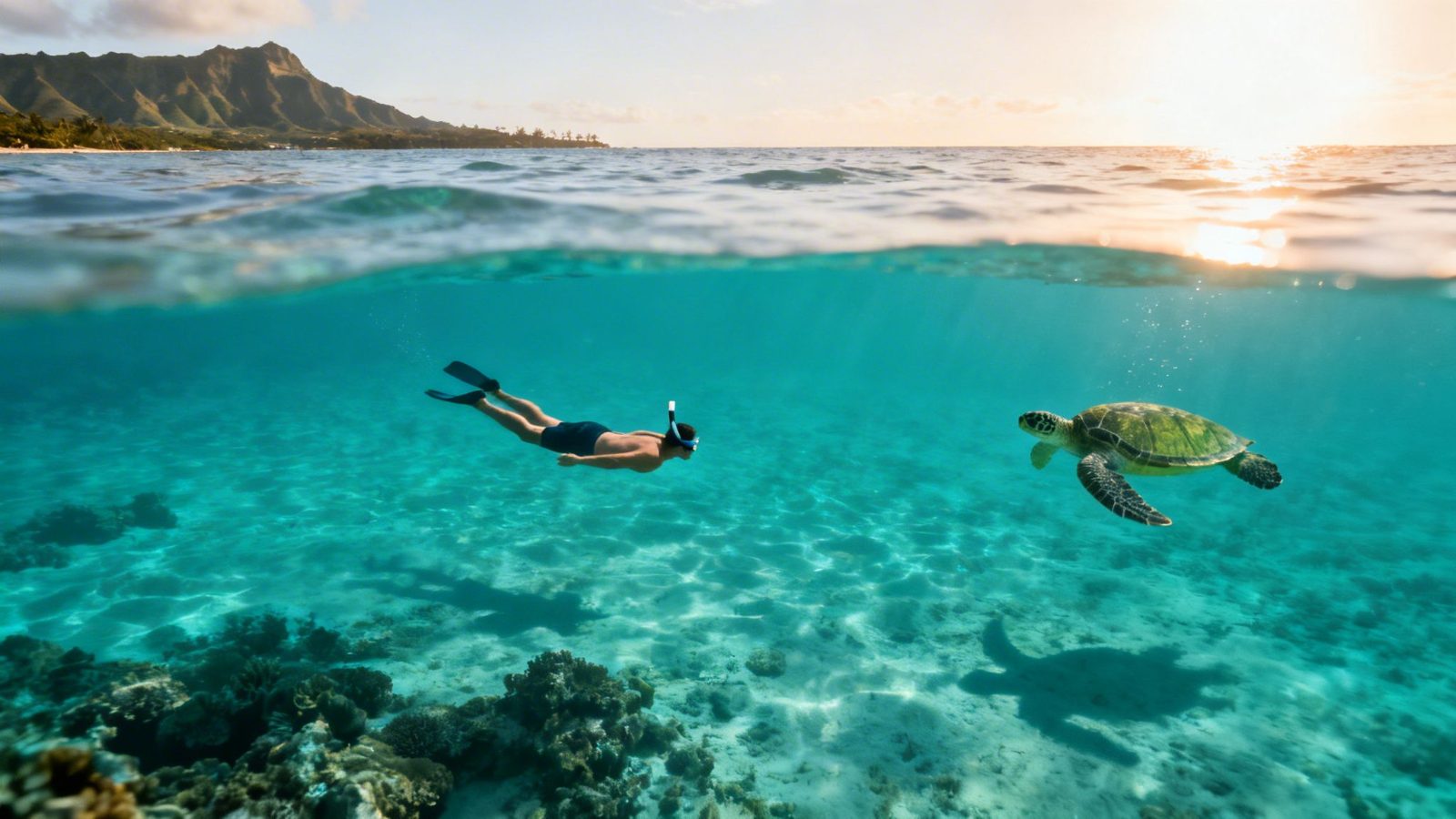
Known for high concentrations of Hawaiian green sea turtles that frequent the reef
These volcanic formations provide unique topography for advanced underwater navigation
Every Scuba Diving in Hawaii tour side-by-side — duration, what's included, how you redeem.
| Experience | Duration | Rating | Guide | Small group | Free cancel. | Price | |
|---|---|---|---|---|---|---|---|
|
Standard Entry Most popular
North Shore Shark Cage Diving Adventure
|
1 hr 30 min | ★ 4.9 | ✓ | ✓ | ✓ | €88 | Book → |
|
Standard Entry
Night Manta Ray Snorkel Adventure
|
2 hr 30 min | ★ 4.8 | — | ✓ | ✓ | €107 | Book → |
|
Standard Entry
Nighttime Manta Ray Boat Adventure
|
2 hr | ★ 4.8 | ✓ | ✓ | ✓ | €66 | Book → |
All prices from verified partners. Availability and exact terms confirmed at checkout.
They complement each other; most visitors who do both call scuba diving in hawaii the more immersive encounter while snorkeling offers a more relaxed surface perspective. Exploring underwater reefs provides a unique connection to the Pacific ecosystem through these distinct scuba diving in hawaii tours.
| Feature | Top pick Scuba Diving | Snorkeling |
|---|---|---|
Experience depth |
Deep exploration to 60+ feet | Surface level only |
Skill level required |
Certification required | Minimal; no training needed |
Equipment needed |
Tanks and regulator | Mask and snorkel |
Physical exertion |
Low; neutral buoyancy | Low; constant kicking |
Marine life encounter type |
Close-up interaction | Casual observation |
Cost of entry |
0 USD (plus tour fees) | 0 USD |
| See tickets → |
Verdict: Choose the scuba diving in hawaii tour for extended underwater time or opt for snorkeling when seeking a simple way to view the marine life of Hawaii using basic scuba diving in hawaii tickets.
Choose your ticket, select your date, and reserve in under two minutes. Secure checkout handled by our verified partner.
Instant confirmation by email, with a mobile voucher you can save offline. No printing, no queuing at a collection desk.
Arrive at the entrance, show your voucher on your phone, and walk in. Most tickets include priority or skip-the-line access.
Practical details for Scuba Diving in Hawaii tickets straight from our verified partners — hours, access, rules, and how to get there.
Weekly schedule unavailable — check the official site.
Best time to go, insider tips, nearby landmarks, and the cancellation fine print — flip through to skim what matters to you.
How crowds, weather, and events shift across the year.
Mild water temperatures and moderate currents make for excellent diving conditions throughout the archipelago.
Calmer seas provide the most reliable visibility for scuba diving in hawaii.
Warm water persists, but watch for occasional late-season tropical storm swells.
Larger north shore swells may impact site selection for those seeking scuba diving in hawaii tours.
Small details that turn a good visit into a great one.
Monitor marine forecasts as conditions change rapidly.
Use only mineral-based sunscreens to protect coral health.
Maintain distance from sea turtles and monk seals.
Use reputable scuba diving in hawaii tour operators.
Drink plenty of water before and after every dive.
Always carry your physical or digital certification card.
Non-bookable sights within a short walk — free to visit, easy to pair.
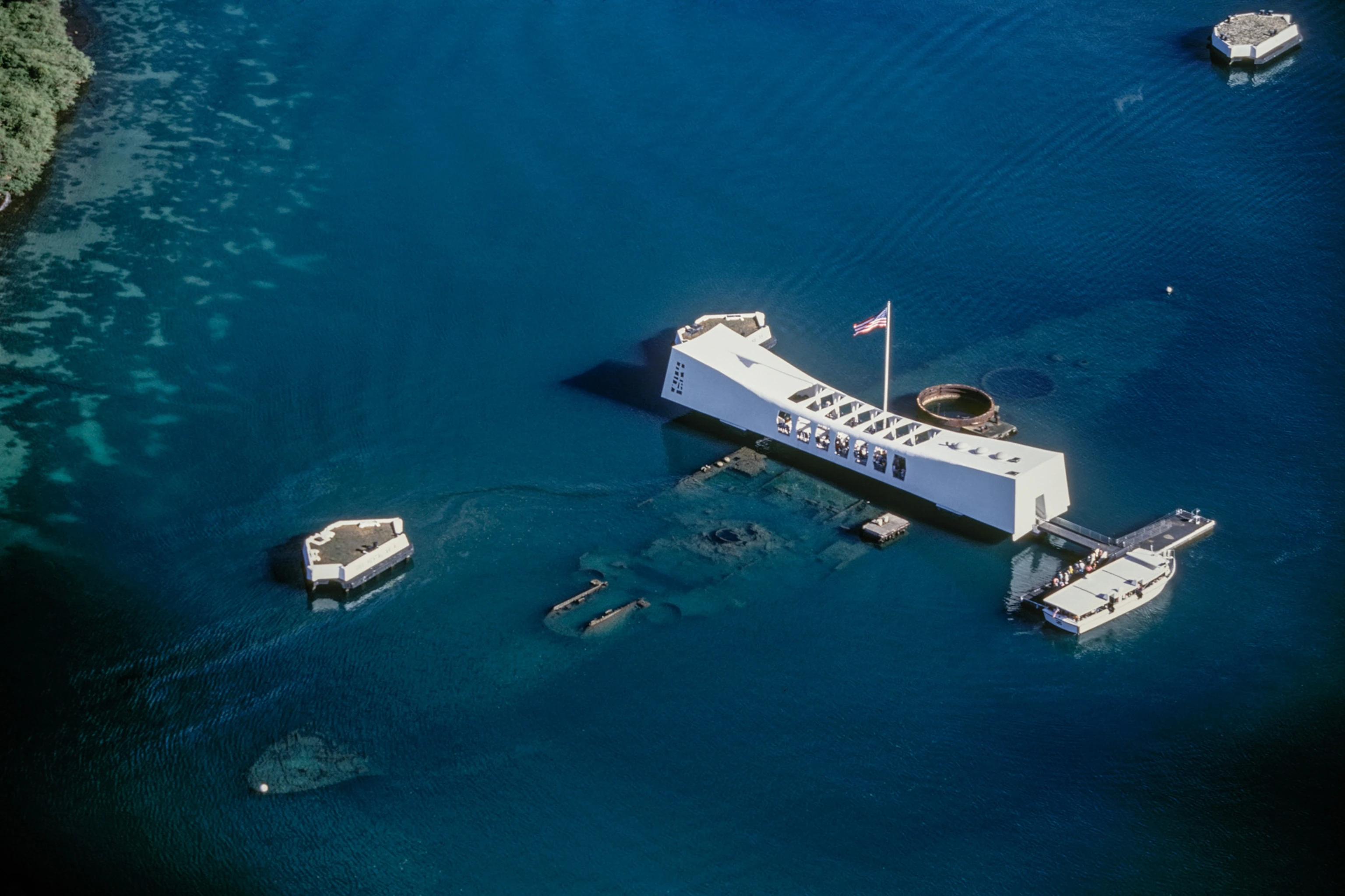
Historic site reflecting significant Pacific events.
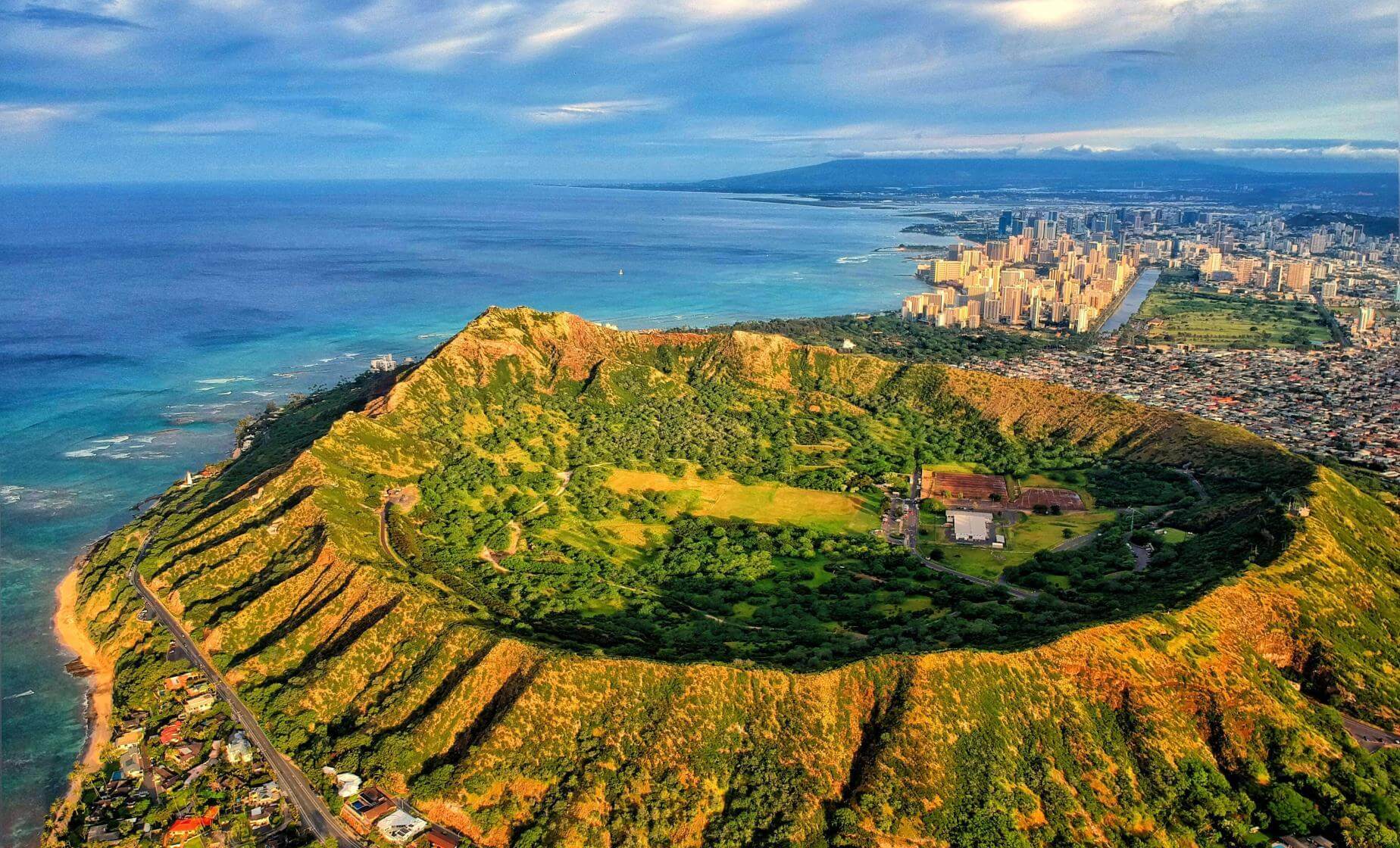
Prominent volcanic crater offering panoramic vistas.
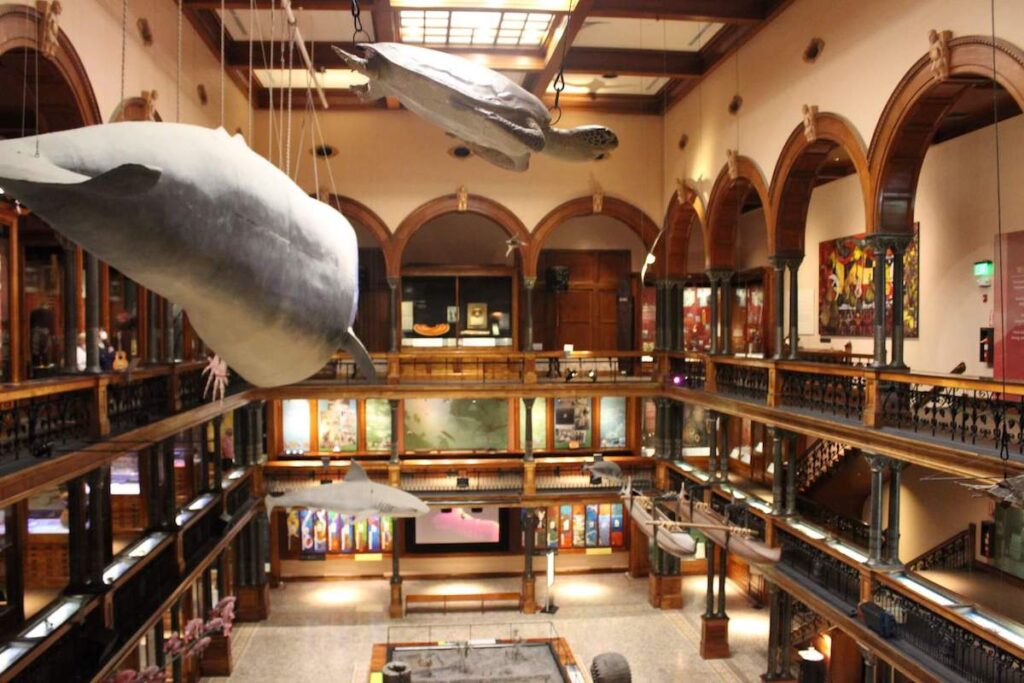
Extensive collection of Hawaiian cultural artifacts.
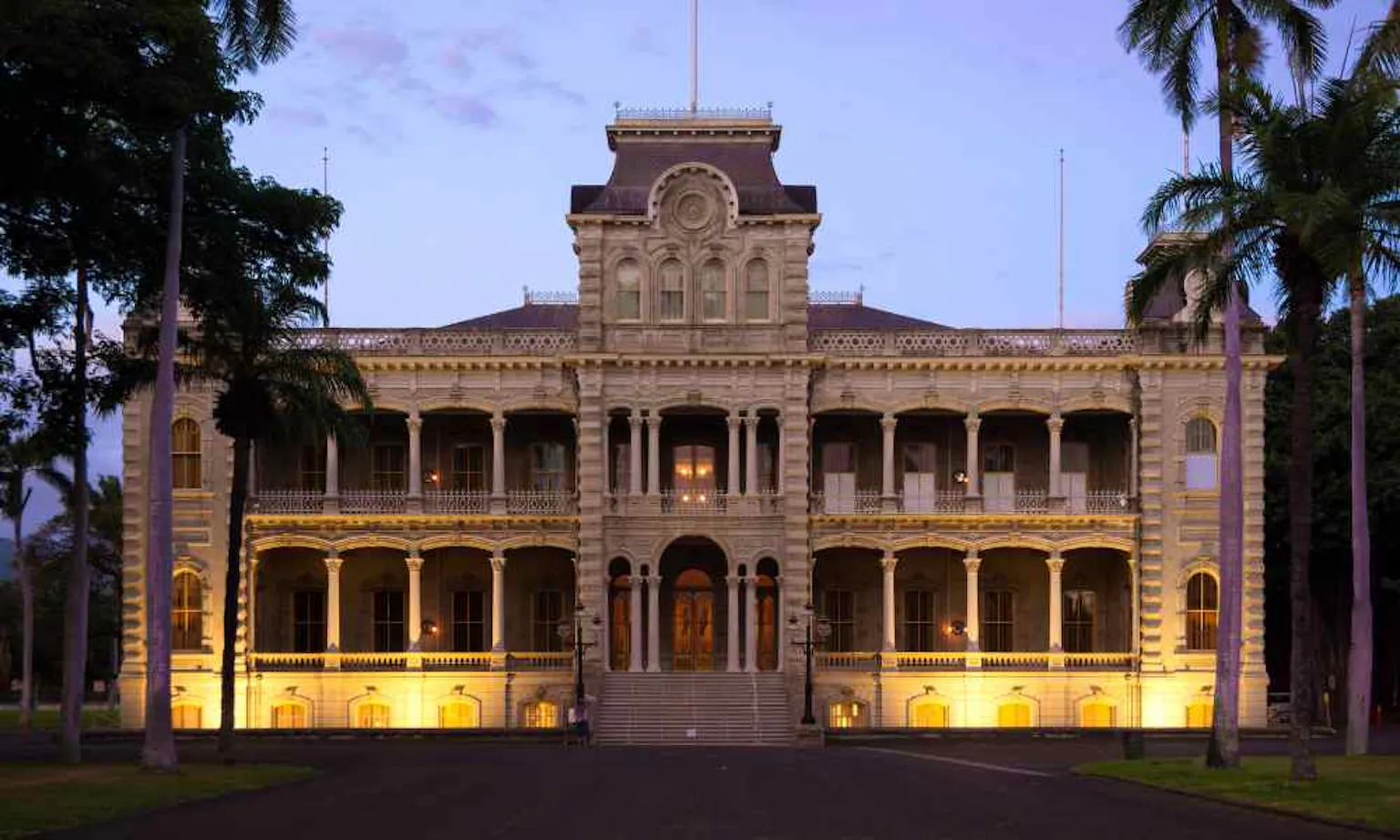
Former residence of the Hawaiian monarchy.
Flexible, no hidden fees.
Since there is a 0 USD entrance fee for public ocean access, no cancellation fees apply. Private charters associated with scuba diving in hawaii follow individual operator policies.
Hand-picked options within walking distance — pick a district for vibe, or a specific hotel for convenience.
Extensive lodging options near major dive sites.
Intimate stays near rocky volcanic coastlines.
Affordable lodging for frequent underwater travelers.
Convenient base for exploring eastern island waters.
Hawaii's volcanic origin creates underwater topography found nowhere else in the Pacific. Lava tubes formed 400,000 years ago now shelter endemic species like the Hawaiian monk seal and the yellow tang, while vertical walls plunge to depths exceeding 180 feet along the Kona coast.
The archipelago's isolation — 2,400 miles from the nearest continental landmass — fostered marine biodiversity that includes over 25 percent endemic fish species. Water temperature holds between 75 and 80 degrees Fahrenheit year-round, and visibility routinely reaches 100 feet during calm weather windows.
Scuba diving in Hawaii draws operators to distinct geological zones. Molokini Crater off Maui's south shore is a partially submerged volcanic caldera where sheer walls drop to 300 feet and pelagic species — including manta rays with wingspans reaching 12 feet — glide through nutrient-rich currents. Kealakekua Bay on the Big Island offers protected waters above Captain Cook Monument, where coral coverage remains dense and spinner dolphins patrol the perimeter at dawn. Oahu's Maunalua Bay hosts the wreck of the YO-257, a 165-foot Navy oiler scuttled in 1989 and now encrusted with plate coral and black coral trees. Each island's leeward coast provides shelter from trade winds, creating dive conditions that rival Micronesia and the Red Sea.
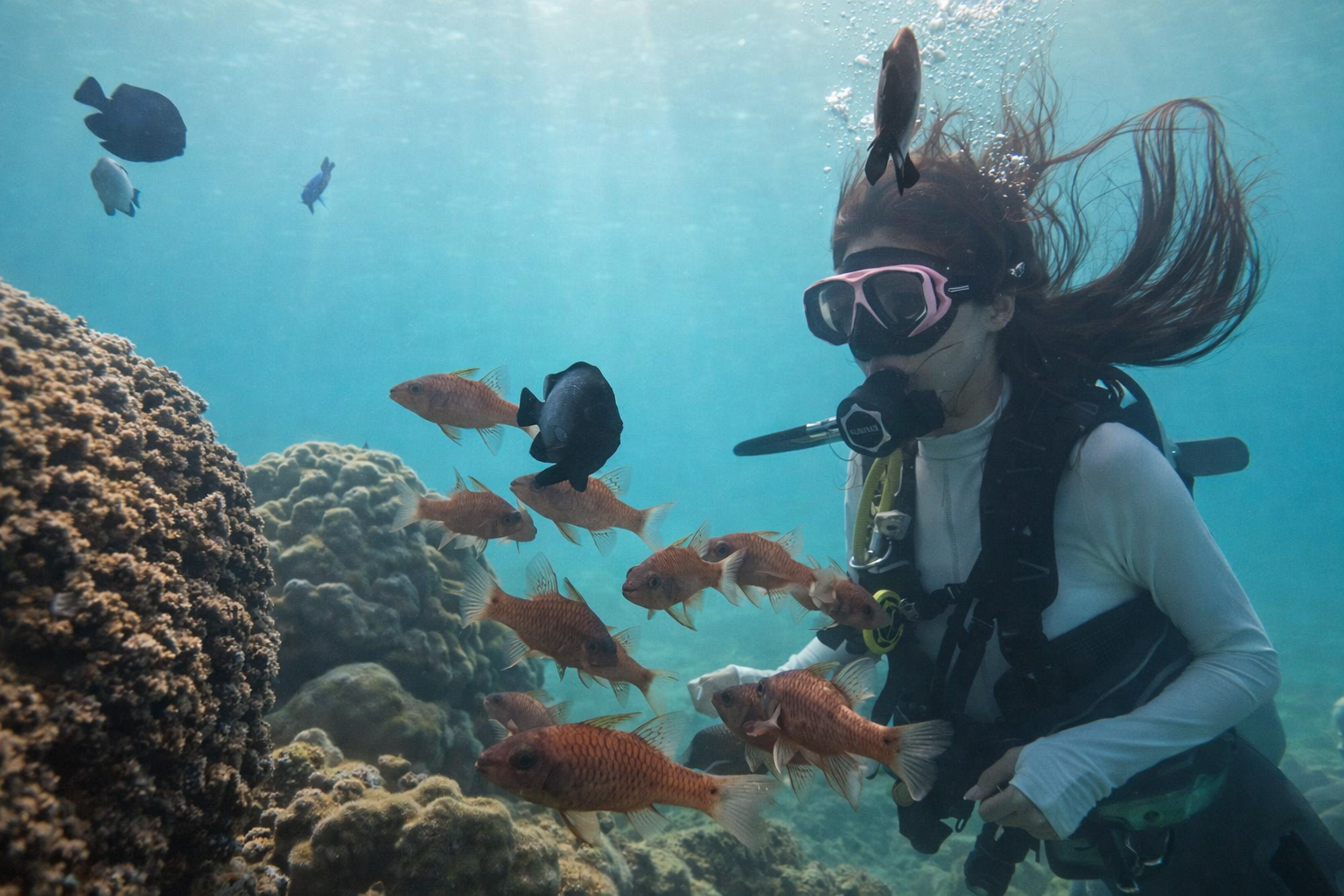
Night dives along the Kona coast reveal bioluminescent plankton and the feeding behavior of manta rays, which congregate beneath shore lights to filter microscopic prey. Operators stage dives at depths between 30 and 40 feet, where divers kneel on sand as rays execute barrel rolls overhead. Lava tube systems near the Big Island's South Point extend horizontally for hundreds of feet, with skylights admitting shafts of sunlight that illuminate sleeping whitetip reef sharks and schools of convict tangs. These tubes formed during eruptions when the outer crust cooled while molten lava continued to flow beneath, leaving hollow channels that now serve as marine highways.
Scuba diving in Hawaii for beginners concentrates on shallow reefs and bay systems where currents remain mild and marine life is abundant. Operators on Maui and Oahu offer introductory dives in protected lagoons, with maximum depths of 40 feet and one-on-one instruction ratios. Certification courses through PADI or SSI typically span three to four days, combining confined-water training with open-water reef dives. Advanced divers pursue drift dives along Lanai's Cathedrals — submerged arches and amphitheaters where light refracts through openings in the rock — or deep dives at Niihau, the westernmost inhabited island, where hammerhead sharks patrol drop-offs exceeding 200 feet.

"Water temperature holds between 75 and 80 degrees Fahrenheit year-round, and visibility routinely reaches 100 feet during calm weather windows."
Tickets for specific chartered scuba diving in hawaii experiences must be purchased through independent providers. There are no public tickets required to access the ocean itself.
Yes, underwater photography is permitted and encouraged. Many guests enjoy documenting their scuba diving in hawaii tour moments with action cameras.
Since access is 0 USD, there is no fee for the site itself. Private operators set their own cancellation terms for scuba diving in hawaii bookings.